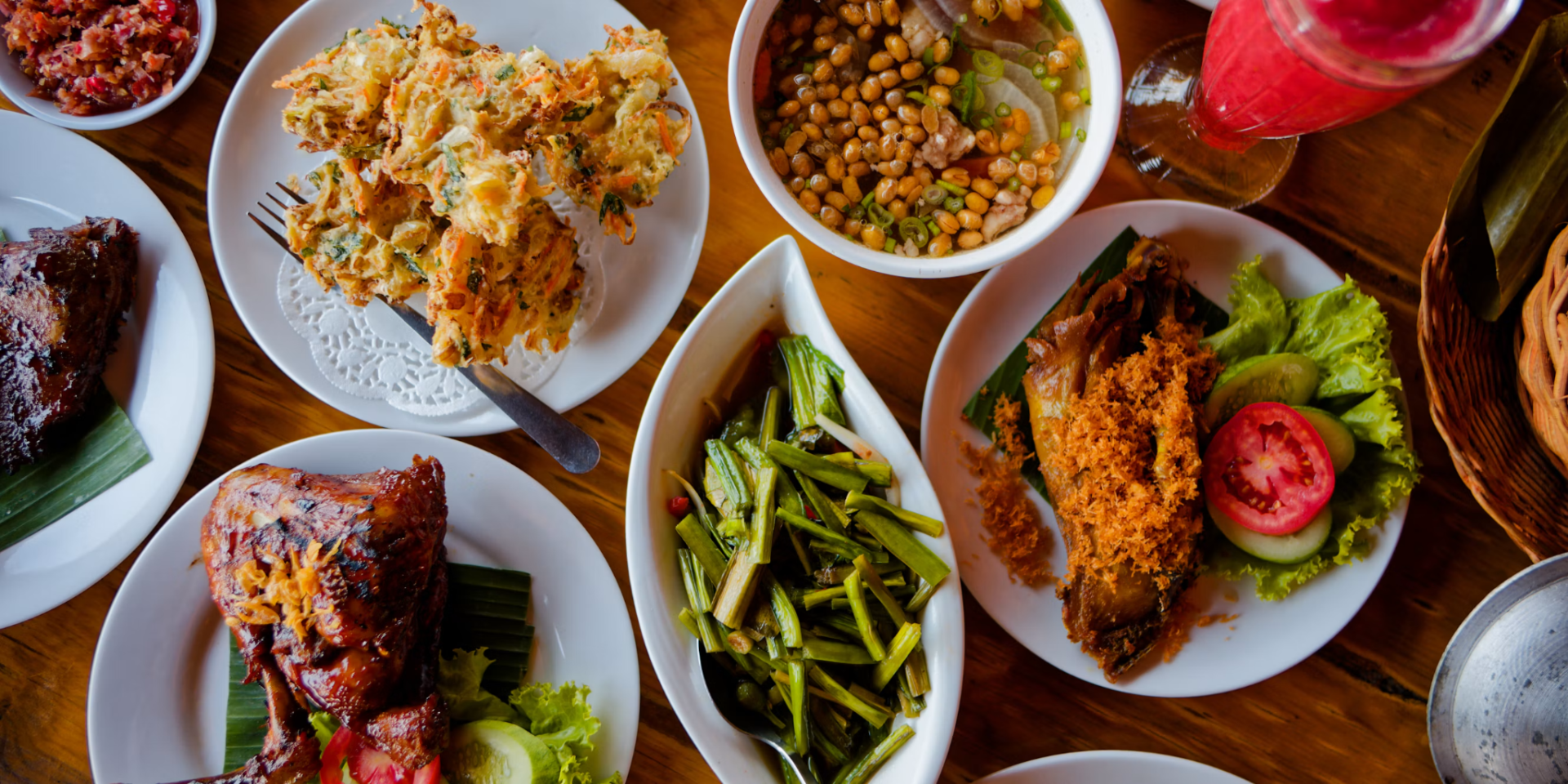
Kimjang, the communal practice of preparing and sharing kimchi, entered UNESCO’s intangible cultural heritage list in 2013. The recognition concerns knowledge passed between families and neighbors, not ownership of one recipe. Vegetables, salt, chili and fermented seafood follow a seasonal logic shaped by winter storage and household tastes.
A restaurant might ferment a smaller batch in temperature-controlled equipment, adjusting salt concentration and fermentation time. Flavor changes with ingredients and microbial activity, so experimentation needs accurate labeling and safe preparation. The inheritance is the technique and community context, rather than the claim that every batch tastes identical.
Washoku Is About a Meal, Not One Famous Dish
UNESCO recognized washoku, traditional dietary cultures of Japan, in 2013. Its description covers the production, preparation and shared consumption of food, particularly seasonal New Year practices. Rice, fish, vegetables and local wild plants fit into a larger appreciation of season and place.
That framework leaves room for invention. A chef might apply dashi-building methods to a locally available vegetable, or change plating while preserving a meal’s balance. Calling any fusion dish authentic Japanese food without context erases specific skills. A better menu explains which element was adapted and why.
Singapore’s Hawker Stalls Demonstrate Living Traditions
Singapore’s hawker culture joined UNESCO’s Representative List in 2020. Food centers bring together cooks and diners with Chinese, Malay, Indian and other culinary influences. A stall can preserve a family method while attracting customers from different communities.
For visitors, a market meal also exposes practical choices. Price, queue length and preparation schedules vary between stalls. A stall specializing in noodles may have a narrower menu than a restaurant, yet can focus on one broth or sauce. Innovation does not require a long ingredient list.
What a New Ingredient Actually Changes
Experimentation has measurable consequences. Replacing wheat flour with rice flour changes gluten development and texture; acidity affects perceived richness; reducing stock concentrates flavor. These are tests of ingredients and processes, not evidence that a dish automatically improves.
A tasting panel can compare versions without turning food into a gimmick. Keep cooking time and temperature consistent, change one component and note the result. An unexpected pairing deserves a second tasting before becoming a signature dish. The useful experiment reveals why flavor changed.
An instructive trial might compare two noodle doughs prepared with the same water ratio but different flours. Record elasticity, cooking loss and whether the sauce adheres to the finished noodle. Repeating the test on another day helps distinguish a useful adaptation from a one-off result caused by a hotter pan or an unusually dry ingredient.
Chance in a Kitchen Is Not Casino Randomness
A busy kitchen can feel unpredictable because ingredients, temperatures and human choices interact. Chefs reduce variation with recipes, timers and sanitation procedures. In a tower betting game, by contrast, visible progression follows published game rules and software-defined outcomes rather than the chemistry of a stockpot. A game’s theoretical return-to-player percentage describes long-run payouts, not a promise about one attempt. Those mechanisms differ even when both activities involve suspense.
Galaxsys describes Tower Rush as a floor-stacking game with cumulative multipliers and a cashout option. Its published theoretical RTP ranges from 96.2% to 97.6%, but that does not establish the setting of a specific operator’s version. A culinary experiment depends on repeatable measurements; game outcomes follow a different mechanism.
Digital Menus and Apps Need Clear Provenance
Restaurant menus appear on phones before diners see a plate, and videos help people discover techniques. The interface should explain ingredients, allergens and preparation instead of relying entirely on photographs. The difference between useful description and promotion also applies to other services.
Mobile menus can mix official apps, browser shortcuts and third-party download pages. Those are different distribution methods, so users should inspect the publisher and file type. A search to download MelBet mobile app may lead to an Android APK page, but an installer listing does not establish developer identity or the legality of money gaming. A file extension identifies a package type, not its trustworthiness. India implemented rules in May 2026 prohibiting online money games, making claims of automatic availability unreliable. Those facts concern a separate digital-service decision, not restaurant quality.
A Regional Dish Deserves Its Own Name
The label Asian cuisine covers many food cultures rather than one standardized menu. Kimjang describes a Korean practice of collective preparation; washoku refers to Japanese foodways; Singapore’s hawker centers are public dining institutions. Treating them as interchangeable sources of flavor erases their distinctions.
A restaurant can offer an interpretation while identifying the tradition it uses. Descriptions help customers understand whether a dish is inspired by a technique, a local ingredient or a named preparation. Honest distinctions make experimentation more informative.
Three Questions for the Next Menu
Before ordering or writing about a dish, identify the technique being preserved, the ingredient being changed, and the effect intended. Ask whether the restaurant explains allergens and preparation accurately. Then taste the food without assuming familiarity guarantees quality or novelty proves creativity.
Asian food traditions endure because cooks teach repeatable methods while responding to season, availability and customers. Interesting innovations leave that knowledge visible on the plate.