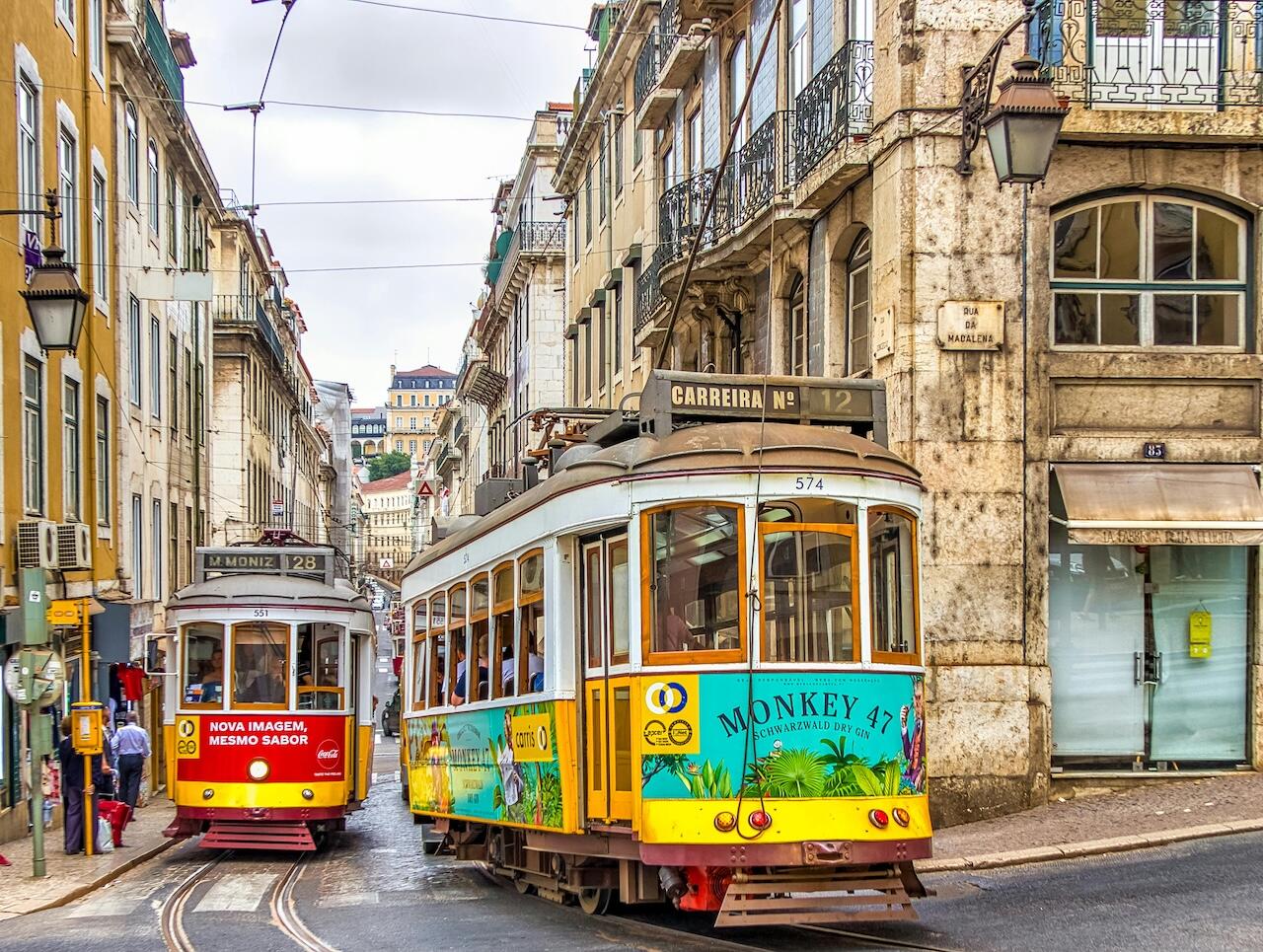
Portugal’s capital has a reputation for pastel-colored buildings, custard tarts, and charming trams. But beyond these postcard-perfect images lies a city brimming with unexpected wonders that even seasoned travelers rarely anticipate. If you think you know what Lisbon has to offer, prepare to be amazed by the hidden layers of this extraordinary destination.
Secret Viewpoints Beyond the Tourist Trail
While most visitors flock to the famous Miradouro de Santa Luzia, Lisbon hides dozens of lesser-known viewpoints that offer equally stunning panoramas without the crowds. Miradouro da Graça provides sweeping views across the city’s terracotta rooftops, but arrive at the tiny Miradouro de Santa Catarina during sunset and you’ll understand why locals guard it as their own treasure.
The real surprise comes when you discover viewpoints that don’t even have official names. Winding through Alfama’s narrow streets, you’ll stumble upon unexpected openings between buildings that frame the Tagus River like living paintings. These accidental vistas often provide the most memorable photographic moments of any Lisbon visit.
Underground Mysteries Beneath Your Feet
Few visitors realize that beneath Lisbon’s cobblestone streets lies a fascinating network of Roman galleries, medieval crypts, and forgotten tunnels. The Roman Galleries of Rua da Prata offer a glimpse into the city’s ancient past, where you can walk through tunnels built over two thousand years ago.
Even more surprising is the CARMO Archaeological Museum, housed in the skeletal remains of a church destroyed by the 1755 earthquake. The roofless nave creates an otherworldly atmosphere where history feels tangibly present. These underground and semi-ruined spaces reveal a side of Lisbon that challenges the sunny, cheerful image the city typically projects.
The Unexpected Street Art Revolution
Lisbon has quietly transformed into one of Europe’s premier street art destinations, and the scale of this artistic movement will leave you genuinely speechless. Entire buildings serve as canvases for world-renowned artists, turning neighborhoods like Graça and Marvila into open-air galleries that rival any traditional museum.
What makes this particularly surprising is how the city government has embraced this movement. Rather than treating street art as vandalism, Lisbon actively commissions artists to beautify abandoned buildings and forgotten corners. An Electric Car Tour through these neighborhoods offers an excellent way to cover more ground while discovering masterpieces tucked away in unexpected locations throughout the city.
The quality and diversity of the artwork ranges from massive murals depicting Portuguese history to abstract pieces that challenge conventional perspectives. You’ll find everything from political commentary to whimsical creatures adorning surfaces you’d never expect to see transformed into art.
Culinary Surprises That Defy Expectations
Beyond the famous pastéis de nata lies a culinary scene that’s both innovative and deeply rooted in tradition. Time Out Market showcases this perfectly, gathering the city’s best chefs under one roof, but the real surprises happen in tiny neighborhood tascas where grandmothers still cook recipes passed down through generations.
What catches visitors off guard is the Asian influence woven throughout Portuguese cuisine, a delicious legacy of the country’s historical trading routes. Dishes incorporating spices from Goa, Macau, and former African colonies create flavor combinations you won’t find anywhere else in Europe. The affordability of exceptional dining in Lisbon compared to other European capitals remains one of the city’s most pleasant surprises.
The Fado That Tourists Never Hear
Everyone knows about fado, but the commercialized performances in Bairro Alto barely scratch the surface of this haunting musical tradition. The real magic happens in tiny, unmarked venues where locals gather and spontaneous performances erupt from the soul rather than a tour schedule.
These authentic fado experiences can’t be easily found on Google Maps. They require local knowledge, patience, and sometimes just lucky timing. When you witness an elderly woman pouring decades of saudade into an improvised performance while diners sit in reverent silence, you’ll understand why fado was designated UNESCO Intangible Cultural Heritage.
Conclusion
Lisbon’s greatest surprise might be how a city so thoroughly explored and photographed continues to reveal new layers to those willing to look beyond the guidebook highlights. From hidden viewpoints to underground mysteries, from revolutionary street art to soul-stirring music, Portugal’s capital rewards curiosity with experiences that genuinely leave visitors speechless. The city’s ability to balance tradition with innovation, tourist appeal with authentic local culture, creates a destination that surprises even those who think they’ve seen it all.