Dallas is not a difficult city for outdoor drinking. The weather behaves for much of the year, patios are enormous, and entire neighbourhoods seem designed around the idea of moving from one terrace to another with a cold drink in hand.
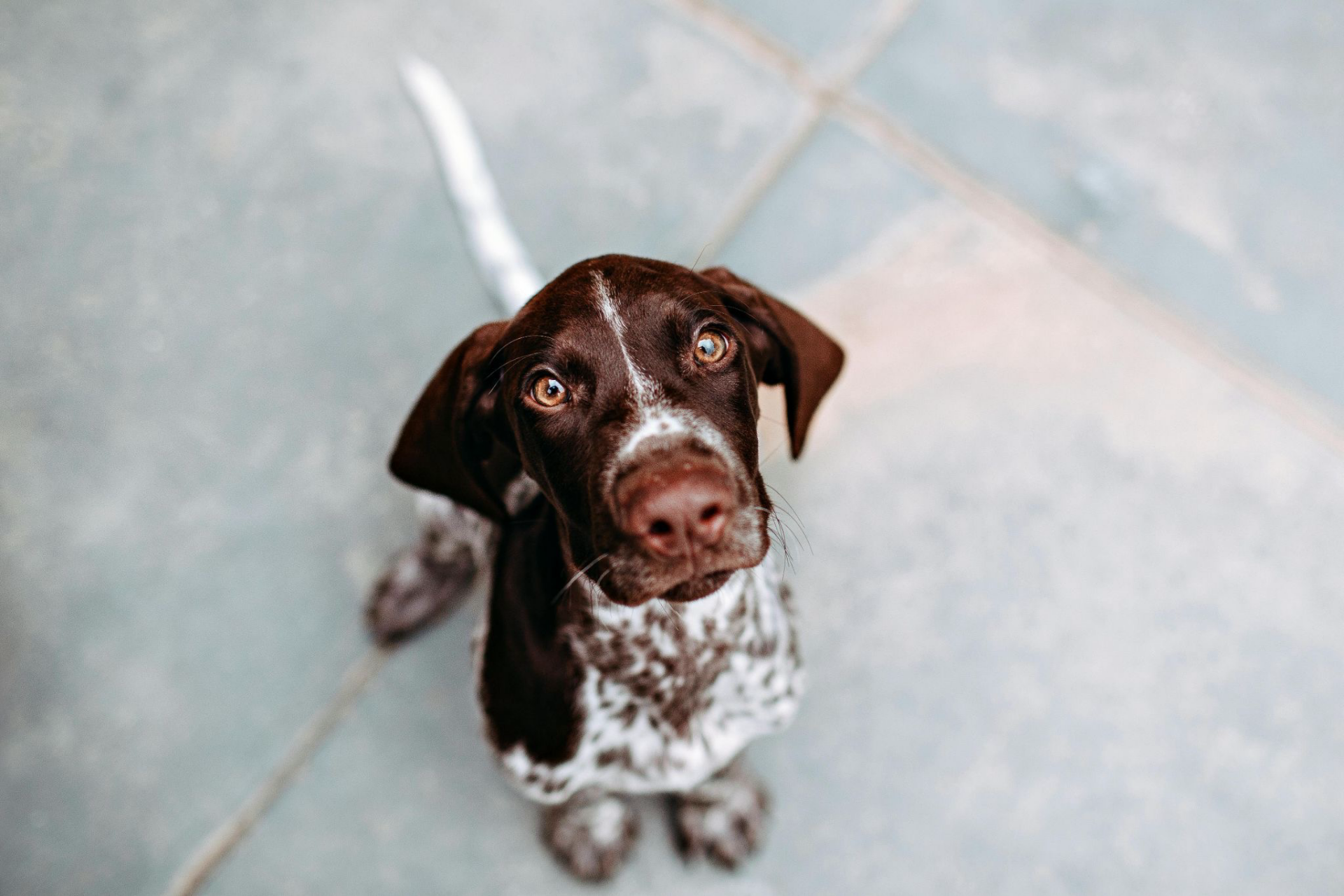
Photo by Helena Lopes: https://www.pexels.com/photo/head-of-pointer-dog-27177671/
The difficult part is attempting all of this with a dog that refuses to sit still for longer than seven minutes.
That was the situation we found ourselves in after arriving in Dallas with a dog that could not cope with crowded patios, loud music, cyclists, skateboards, delivery scooters, or apparently decorative plant pots. We still wanted the late-afternoon Aperol Spritz routine though, particularly because Dallas does this sort of thing surprisingly well.
What followed became less about leisurely drinks and more about learning how Dallas actually works for dog owners. Not the polished travel-guide version, but the practical version involving shaded patios, realistic timing, cooling stations, long walks beforehand, and occasionally admitting defeat and arranging proper pet care instead.
Dallas Really Is Built Around Patio Culture
One thing that becomes obvious very quickly is that Dallas operates around outdoor social spaces in a way many US cities do not. Large patios are not side additions here. In many places they are the main attraction.
Neighbourhoods like Uptown, Lower Greenville, Knox-Henderson and Bishop Arts are heavily structured around open-air dining and drinking. Restaurants frequently spill onto pavements with oversized seating areas, string lighting, misting systems and shaded pergolas designed to survive the Texas heat.
For something like Aperol hour, this works perfectly in theory. Dallas bars tend to start filling properly around late afternoon, especially on Thursdays and Fridays when people move outdoors immediately after work. Spritzes, frozen cocktails and oversized wine glasses dominate menus once temperatures begin climbing.
The problem is that patio culture also means dogs everywhere.
Dallas may genuinely be one of the more dog-friendly large cities in Texas. Many bars automatically bring water bowls, outdoor seating areas are usually designed with dogs in mind, and entire stretches of Lower Greenville practically function as unofficial dog parades at weekends.
This sounds ideal until your own dog behaves like every passing Labrador is an existential threat.
Timing Turned Out To Matter More Than The Venue
Initially we assumed choosing the right bar was the important thing. It turned out timing mattered far more.
Dallas patios change character dramatically depending on the hour. At 4pm, many are calm enough for anxious dogs. By 6pm they become crowded, louder and far more difficult to manage.
Places near Katy Trail in particular transformed completely once runners, cyclists and after-work groups started arriving.
We learned quickly that the workable strategy involved exhausting the dog first.
Dallas has several genuinely useful walking routes before drinks. Katy Trail is the obvious one, especially because many patio-heavy venues sit directly beside it. White Rock Lake also works if there is enough time beforehand, though the heat becomes intense surprisingly early in the day.
A tired dog in Dallas is a very different animal from an under-exercised one.
That sounds obvious, but in practical terms it completely changed patio behaviour. After forty minutes walking in the heat, combined with enough water and shade breaks, our dog could usually tolerate one drink stop without turning the entire experience into crowd control.
Eventually We Used Proper Pet Care Instead
After several attempts, we realised there was a limit to how much “dog-friendly” actually helped when the dog itself was not especially patio-friendly.
That became particularly obvious around packed evening venues in Uptown where music volume increases sharply after sunset and foot traffic becomes constant. Even larger patios started feeling cramped once servers, runners, dogs and groups all moved simultaneously through narrow pathways.
At that point we stopped trying to force it.
Instead, we left the dog with Yourgi Pet for proper pet care during the busiest evenings, which honestly improved the experience for everyone involved. Dallas is a city where social drinking tends to stretch for hours rather than one quick round, especially in areas centred around terrace bars and outdoor lounges.
Trying to manage an anxious or demanding dog throughout an entire evening eventually becomes exhausting.
Once we separated the two activities, things became much easier. Long dog walks earlier in the day, structured pet care later on, then proper uninterrupted Aperol hour afterwards.
It also allowed us to visit places that were technically dog-friendly but realistically unsuitable for reactive pets once crowds built up.
Dallas Does Aperol Surprisingly Well
There is something slightly amusing about finding excellent Aperol Spritz culture in Texas, but Dallas genuinely leans into it.
Unlike some US cities where spritz menus feel copied directly from Instagram trends, Dallas bars tend to integrate them naturally into warm-weather drinking culture. Frozen Aperol variations appear during summer, many rooftops build entire happy-hour menus around spritz cocktails, and oversized wine glasses are practically mandatory.
The city’s climate obviously helps.
For much of the year, Dallas encourages outdoor drinking in a way colder cities simply cannot. Large patios remain active for months at a time, and many venues install industrial fans, cooling systems and retractable shades specifically to keep outdoor seating usable through hotter periods.
That infrastructure changes the entire atmosphere.
Instead of quick indoor drinks, Dallas encourages long outdoor sessions where people stay for several hours. This partly explains why dogs became difficult to manage during peak times. The longer people stay, the busier patios become, and the more chaotic the environment gets for nervous animals.
The Best Areas Worked For Different Reasons
Lower Greenville ended up being the most practical overall.
The neighbourhood has enough movement to feel lively without reaching the constant intensity of Uptown. Outdoor seating is widespread, venues are closely packed together, and there is enough pavement space to manoeuvre around other dogs relatively comfortably.
Knox-Henderson felt more polished and slightly calmer during earlier evening hours. The proximity to Katy Trail also made pre-drinks dog walks easier to organise.
Bishop Arts was probably the nicest environment aesthetically, but many patios there are smaller and closer together. With a reactive dog, that became harder to navigate once crowds increased.
Places built specifically around dogs, like MUTTS Canine Cantina, work brilliantly for social dogs but less well for highly strung ones. For calmer pets they probably solve the entire problem immediately.
Heat Changes Everything In Dallas
The most important practical detail was something simple: Dallas heat affects dogs far faster than many visitors expect.
Even patios with shade can become difficult by early evening during hotter months. Pavements stay warm long after sunset, water bowls empty quickly, and many dogs become overstimulated simply from the temperature.
Dallas venues understand this better than visitors often do. Many patios include water stations automatically, particularly in heavily dog-oriented areas.
Still, there is a noticeable difference between a patio that merely allows dogs and one genuinely designed for them.
Large shaded layouts, distance between tables, calmer foot traffic and accessible exits mattered far more than menu quality. Once we stopped choosing venues based on drinks alone, the experience improved immediately.
We Eventually Stopped Trying To “Win” The Situation
That was probably the main lesson.
Dallas absolutely accommodates dogs better than many cities. The infrastructure exists, the patios exist, and the culture supports it. But that does not mean every dog belongs at every patio for every hour of the evening.
Once we accepted that, Dallas became much easier to enjoy properly.
Some afternoons involved long shaded walks and one quiet spritz stop before heading home. Other evenings involved proper pet care first, then uninterrupted rooftop drinks afterwards.
Oddly enough, both approaches ended up feeling very Dallas.