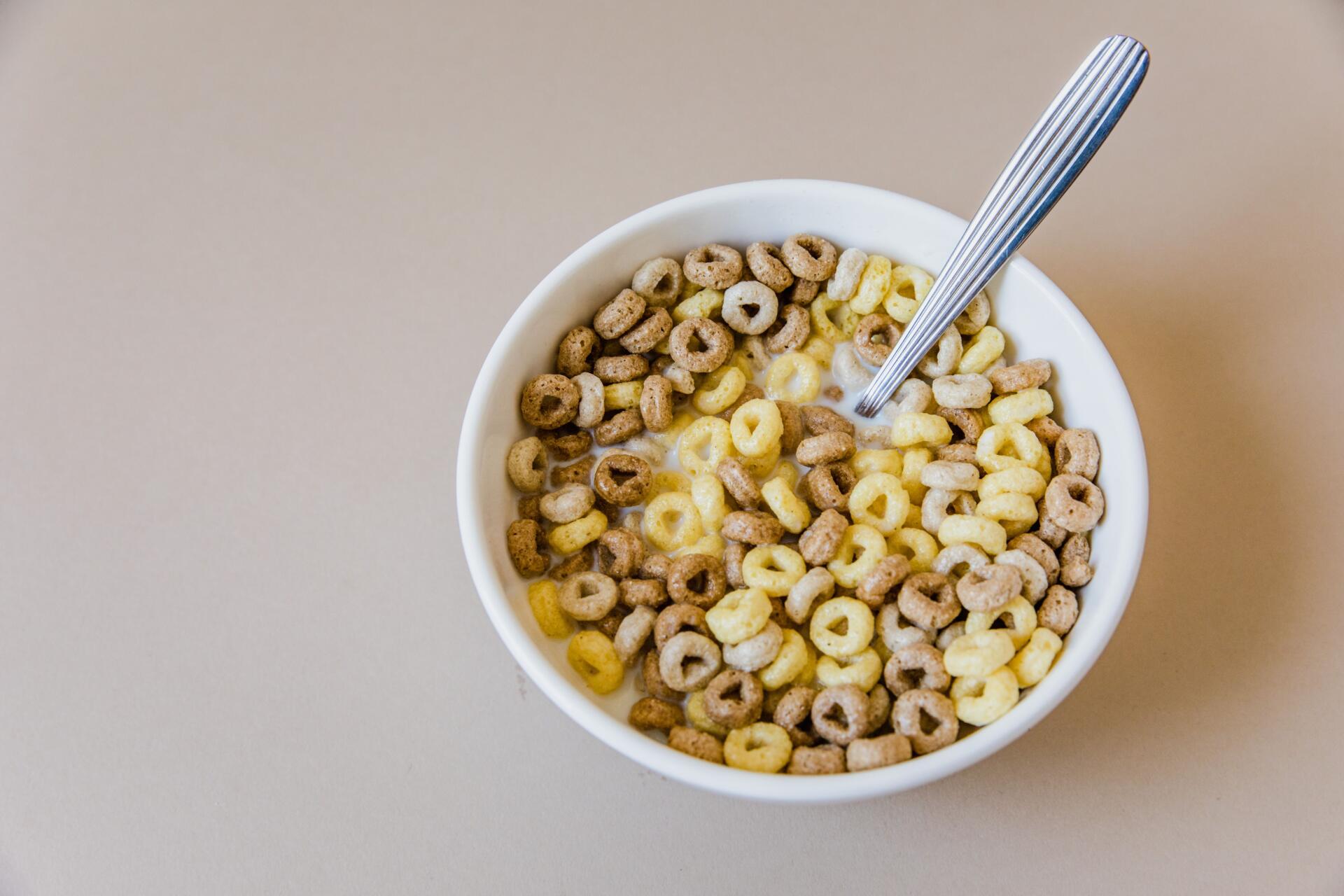
A bowl of cereal, toast cut a certain way or pasta without a new sauce can look plain to adults. For a child arriving somewhere unfamiliar, familiar food can offer one of the few parts of the day that doesn’t need decoding.
Mealtimes often carry more emotion than families expect. A child may reject a carefully prepared dinner, eat only one safe item or watch how adults react before taking a bite. In a new place, food is not only food; it can become a test of control, memory and trust.
Taste can carry the feeling of home
Taste can carry the feeling of home. A familiar bowl of pasta or a particular cereal may work because memory, smell and routine can sit inside a meal in a way that is hard to explain to a child.
This matters in care settings as well as ordinary family transitions. Households looking into fostering Edinburgh may think first about bedrooms, schools and paperwork, but the first few meals can also shape whether a child feels observed or overwhelmed.
Welcome does not have to be surprising
Families sometimes try to show care with a special meal. That can be generous, but it may also be too much for a child who has already had a day full of new rooms, new adults and unfamiliar rules.
Asking simple questions can help. What do they usually eat for breakfast? Are there foods they strongly dislike? Do they prefer sauce separate, toast uncut or a particular brand of cereal? These details may sound small, yet they give the child a say in a situation where many choices have been removed.
Adults can help by avoiding moral battles at the table. Labelling a child as fussy, ungrateful or difficult may make meals feel risky. A steadier approach is to keep offering food, notice patterns and let familiar choices sit beside new ones without turning every bite into a public measure of progress.
Comfort food can be a foothold
A request for plain food is not always fussiness. New kitchens smell different. Plates, chairs and voices around the table feel different. When people reach for familiar food at unsettled times, the point is often reassurance as much as taste.
Once a child feels safer, food can open gentle conversations. Stirring batter, choosing toppings or helping lay the table may offer connection without forcing direct questions.
Shared cooking can come later, once the kitchen feels less strange. Even then, the best conversations may happen sideways, while washing fruit or stirring a pan, because the task gives everyone something to do with their hands.
Food should support, not carry everything
A familiar meal cannot fix every worry, and adults still need to notice sadness, fear or anger that appears around the table. What food can do is provide a predictable pause in a day that has asked a child to adapt too quickly.
The aim is not to turn meals into a performance of welcome. It’s to use ordinary food as one more way of saying that this new place is willing to learn what already matters to the child.