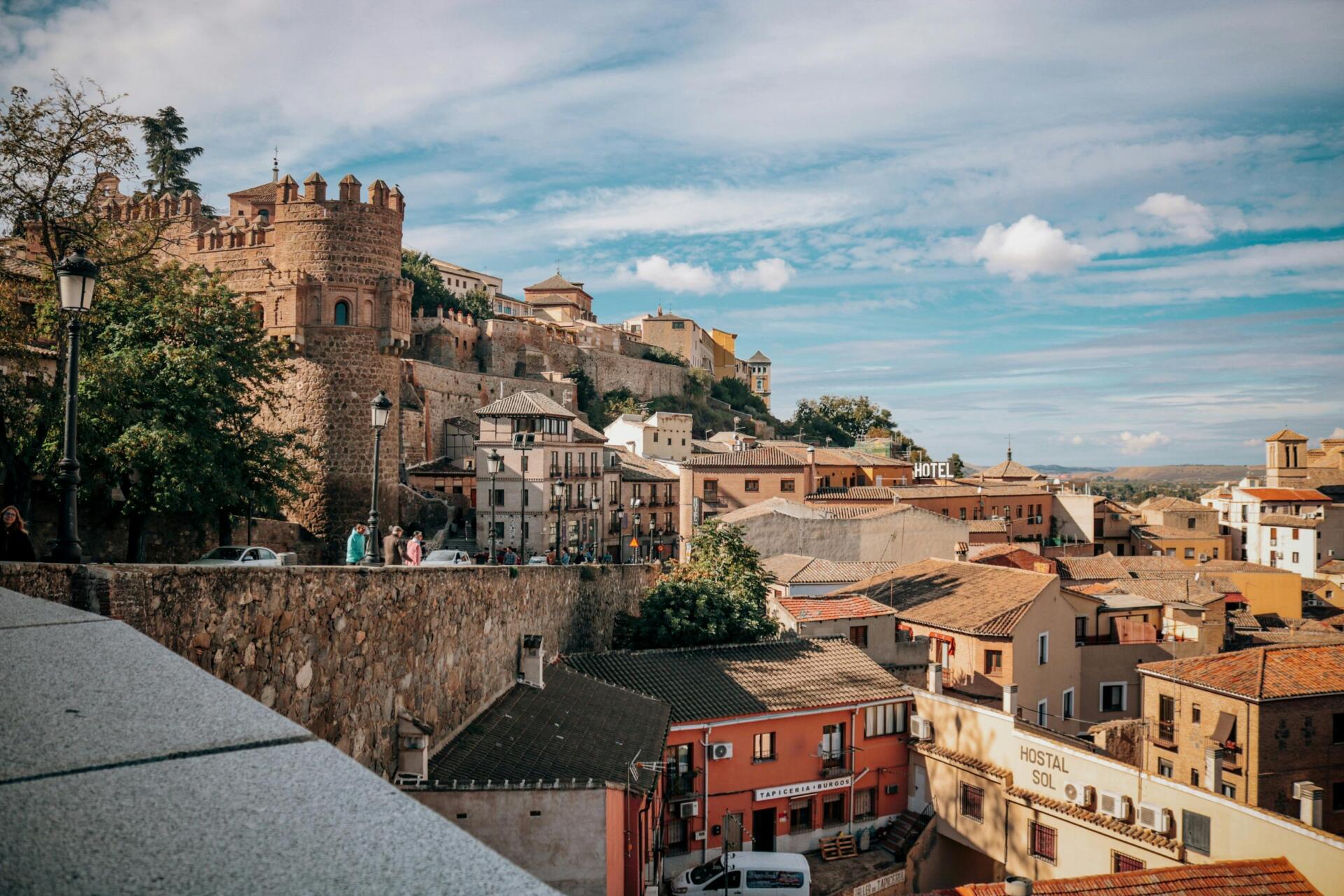
Spain has always had a particular relationship with time. Meals stretch a little longer, conversations are rarely rushed and even the rhythm of the day seems designed to allow space for pause. It is precisely this cultural backdrop that makes the country an increasingly compelling destination for those seeking something deeper than a conventional escape. In recent years, interest in the longevity health retreat Spain experience has grown steadily, driven by a shift towards preventative health and more intentional living.
Rather than offering quick fixes or surface-level relaxation, longevity retreats in Spain are built around the idea that wellbeing is cumulative. They focus on how small, consistent changes, when guided properly, can influence not just how we feel in the moment, but how we age over time. And in a setting where slowing down feels natural rather than forced, that process becomes easier to sustain.
Beyond wellness trends, a more grounded approach
Wellness travel is not a new concept, but longevity retreats represent a more evolved version of it. The emphasis moves away from indulgence and towards optimisation. That might sound clinical, but in practice, it is often anything but.
Most programmes begin with a detailed assessment. This can include everything from metabolic testing to lifestyle analysis, giving practitioners a clearer picture of what the body actually needs. From there, the experience becomes highly personalised. One guest may focus on improving sleep quality, another on reducing inflammation or restoring energy after prolonged stress.
What stands out in Spain is how these structured approaches are softened by the environment. You might have a medical consultation in the morning and find yourself walking along the coast in the afternoon, processing it all without pressure. It is this balance, between science and space, that tends to stay with people.
The role of environment in slowing the body down
It is easy to underestimate how much surroundings influence physiology. Light exposure, air quality and even sound levels can affect stress hormones, sleep cycles and overall energy.
Spain offers a combination that is difficult to replicate elsewhere. Coastal regions benefit from mineral-rich sea air, while inland areas provide quieter, slower-paced settings. Natural light is abundant, which supports circadian rhythms, something many people unknowingly disrupt in daily life.
Then there is the Mediterranean diet, often discussed but rarely experienced in its original context. At these retreats, food is not framed as restriction. Instead, it becomes part of the therapy, with meals designed to nourish without feeling prescriptive. Fresh vegetables, olive oil, legumes and fish are not presented as trends, they are simply how things are done.
Over a few days, sometimes a week, the body begins to respond. Sleep tends to deepen, digestion improves and mental clarity returns in a way that feels gradual rather than forced.
What actually happens during a longevity retreat
From the outside, it might seem like a mix of spa treatments and healthy meals, but the reality is more layered. A typical day is structured, though not rigid.
Mornings often begin with gentle movement, something like stretching, yoga or guided breathing. Nothing too intense, just enough to wake the body up properly. After that, there may be a consultation or a treatment, depending on the programme.
Therapies vary, but commonly include hydrotherapy, massage, physiotherapy or more advanced recovery techniques. Some centres incorporate modern tools such as cryotherapy or infrared therapy, though these are usually integrated thoughtfully rather than used as selling points.
There is also an educational component that tends to be overlooked. Guests are often guided through the reasoning behind what they are doing. Why certain foods are recommended, how stress affects the body, what small habits can make a long-term difference. It is not about overwhelming information, but about giving enough context to make changes stick.
Afternoons are typically quieter. Walks, rest or simply time without a schedule. That pause is not incidental, it is part of the process.
The psychological shift people don’t expect
One of the more interesting aspects of these retreats is not physical, but mental. When daily distractions fall away, patterns become easier to notice.
People often realise how much of their routine is driven by urgency rather than necessity. Eating quickly, sleeping poorly, moving too little or too much, all of it tends to surface when there is finally space to pay attention.
This is where the “transformative” aspect often comes from. Not from dramatic interventions, but from clarity. Once you see something clearly, it becomes harder to ignore it when you return home.
Spain’s slower pace helps facilitate that awareness. There is less friction in taking time, which in turn makes reflection feel natural rather than forced.
Making longevity practical, not aspirational
A common concern is whether any of this can realistically carry over into everyday life. Retreats can feel like controlled environments, far removed from real schedules and responsibilities.
The better programmes address this directly. Instead of promoting ideal routines that are difficult to maintain, they focus on adjustments that are actually doable. Improving sleep timing, introducing short periods of movement, being more intentional with meals, none of it is extreme.
There is also a growing emphasis on continuity. Some retreats offer follow-up support or guidance, helping guests transition back without losing momentum. It reinforces the idea that longevity is not built in a week, but it can certainly start there.
Spain’s evolving role in longevity travel
Spain is not trying to position itself as the most high-tech destination in the wellness space, and that may be part of its appeal. While innovation is present, it is not overwhelming. The focus remains on integration rather than novelty.
Certain centres across the country have gained attention for striking this balance particularly well. One example is Palasiet Wellness Clinic & Thalasso, where thalassotherapy is combined with medical insight in a way that feels considered rather than overly clinical. The setting itself plays a role too, reinforcing the idea that environment is not separate from treatment, but part of it.
What makes places like this stand out is not just the range of services, but how they are delivered. There is a sense of coherence, where everything, from nutrition to therapy to pacing, works towards the same goal.
A quieter, more sustainable kind of reset
Not everyone leaves a longevity retreat with a completely new routine, and that is not really the point. What tends to change is the relationship with time and with the body.
Instead of seeing health as something reactive, tied to symptoms or short-term goals, it becomes more preventative. More about maintenance than repair. That shift is subtle, but it has long-term implications.
Spain, perhaps without trying too hard, provides a setting where that perspective feels intuitive. You are not constantly reminded to slow down, you simply do.
And in a context where time is often treated as something to manage or optimise, that alone can be transformative.