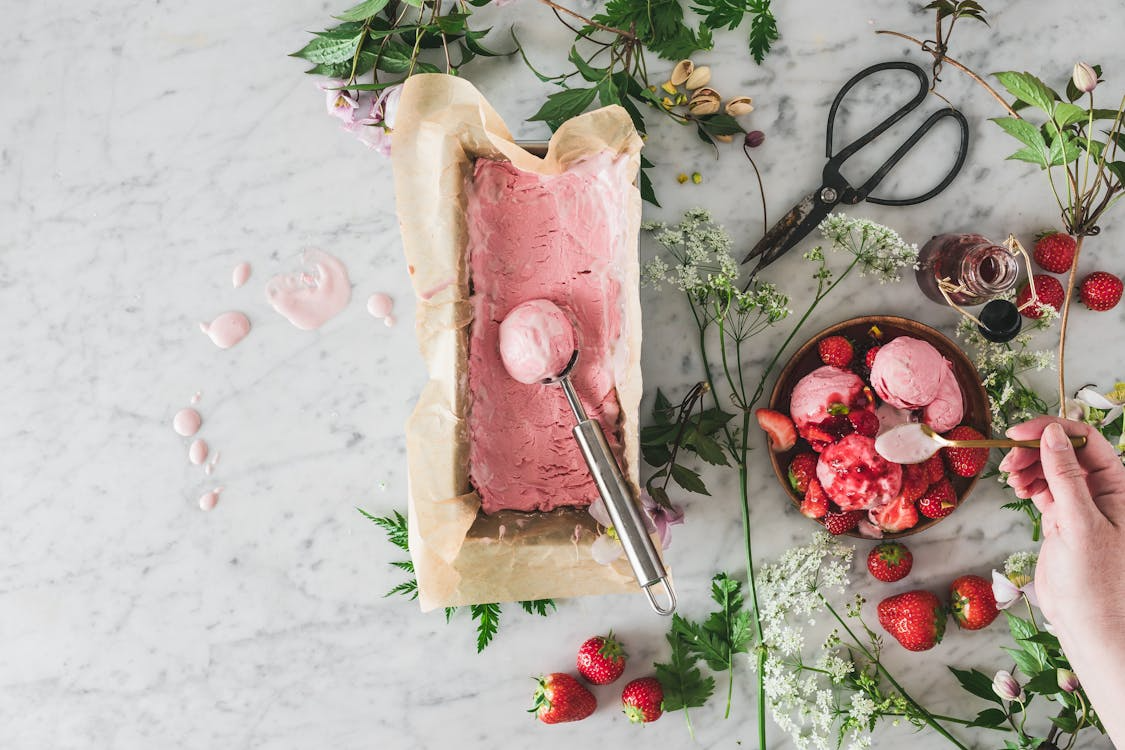
About 60 percent of consumers say texture is the top reason they enjoy or reject ice cream, says the International Dairy Foods Association. Yet most home freezers lock ice cream into a rock-hard state that ruins that experience.
You are about to learn how restaurants control texture with precision so every scoop you get feels soft, smooth, and ready instantly.
Temperature Window You Might Not Know Matters
Restaurants don’t really store and serve ice cream at exactly the same temperature. Most of their storage freezers are kept near 0F for safety purposes; however, the dipping cabinets used for service are normally set between 6F and 10F.
This limited range helps to keep the fat crystals small and stops the mix from becoming brittle. Both specialists and the main makers of the equipment keep advising this temperature range as it not only make sure food safety is observed, but also provides you with an ideal scooping experience where the scoop curls rather than cracks.
Pre-Tempering is the Quiet Game Changer
Here’s a detail most diners never notice. Before busy service hits, restaurant staff already let your ice cream rest briefly in a controlled zone for a few minutes.
You can think of it as a soft reset for the texture. This step not only lowers resistance, allows a quicker service but also safeguards the structure, especially during the busiest times when every second counts for a consistent product and a satisfied customer.
What could clarify your knowledge is first of all, to understand that texture is not only related to temperature, but also to the behaviour of fat. Example, different kinds of chocolates influence melt and firmness differently, so it’s easy to understand why some pieces of chocolate feel silkier while others turn dense or resistant
Frozen Desserts That Sell and Perform
When you see a flawless display tub, that isn’t just visual appeal. It’s a part of merchandising frozen desserts smartly, where presentation and temperature work together to drive both texture and sales.
Typically, restaurants separate display from storage, not for any reason but to protect and maintain quality. Containers, like dipping cabinets, are specially crafted for frequent opening and stable serving routines, while storage units stay colder for preservation. If you explore commercial ice cream freezers, you will notice differences in airflow, insulation, and lid design that support this system in real kitchens.
Rotation Rules That Protect Every Scoop
An ice cream’s quality can drop right away when it sits too long after opening. That’s why restaurants follow strict “first-in, first-out” rotation and label their containers clearly to make sure it’s followed.
Food science research shows that ice crystal growth accelerates when ice cream is exposed to temperature fluctuations and extended storage time, which is why consistent cold holding is critical for maintaining a smooth texture. Fast turnover keeps your dessert’s texture creamy and prevents that grainy feel you often get at home.
Clean tools that shape the final result
That scoop dipping cup you see is doing more than keeping things sanitary. It keeps the scoop slightly warm, which reduces friction and creates smooth, rounded servings.
Food safety standards from the US FDA also require regular cleaning to avoid contamination. This simple habit protects both flavor and texture, giving you a cleaner taste and better mouthfeel.
Service Speed is Part of the Science
Restaurants plan the way they work so as to lessen the amount of warm air that gets in. Freezer lids are hardly ever opened, what with quick movements of the staff and the timing of orders that keep the operation smooth.
A slight increase in temperature is capable of making the outer layer very soft. Strict control of the service can help make sure that every portion is the same from the first customer to the last one.
Even small temperature changes can soften the outer layer too much. Tight service control keeps every scoop consistent from the first order to the last.
The simple cues you can spot instantly
You can judge quality without stepping behind the counter. Just look for a smooth surface with no ice crystals or deep scooping marks, and you’ve completed the first step.
Also, watch how easily the scoop forms and maintains shape. These signs tell you the restaurant respects temperature control, rotation, and handling discipline.
Bring Restaurant-Level Scoops Into Your Kitchen
Set your freezer slightly warmer within safe limits, store ice cream away from the door, and let it rest for a few minutes before serving. Use a warm scoop and avoid repeated thaw cycles.
Start with these steps today, and you will notice the difference in texture on your very next scoop.