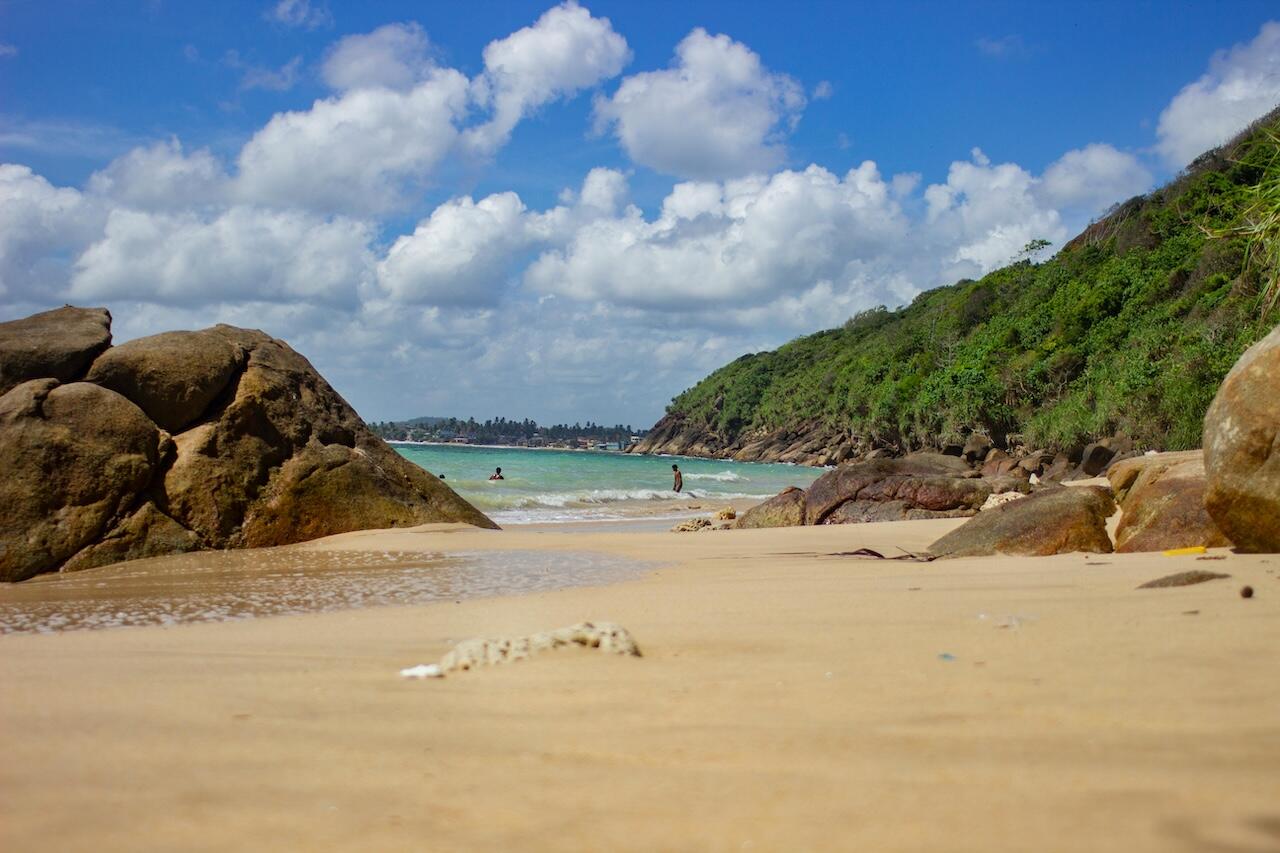
Sri Lanka, the teardrop-shaped island in the Indian Ocean, has become one of Asia’s most captivating destinations for travelers seeking a perfect blend of culture, nature, and adventure. Whether you’re drawn to ancient temples, pristine beaches, or lush tea plantations, this diverse country offers something for every type of traveler. Before you pack your bags and book your flight, here are seven essential things you should know to make your Sri Lankan adventure as smooth and memorable as possible.
Visa Requirements Are Straightforward But Necessary
Most travelers will need to obtain an Electronic Travel Authorization before arriving in Sri Lanka. The good news is that the process is remarkably simple and can be completed online within minutes. The ETA is typically valid for 30 days and allows for tourist activities throughout the country.
Make sure to apply at least a few days before your departure to avoid any last-minute complications. Keep a printed copy of your approval with your travel documents, as you’ll need to present it upon arrival. Some nationalities may have different requirements, so checking the official Sri Lankan immigration website before your trip is always wise.
The Climate Varies Significantly Across Regions
Sri Lanka’s weather patterns can be confusing for first-time visitors because the island experiences two different monsoon seasons affecting different parts of the country. The southwest monsoon typically runs from May to September, bringing rain to the western and southern coasts, while the northeast monsoon affects the eastern coast from October to January.
This means you can often find good weather somewhere on the island year-round. If you’re planning Sri Lanka tours during the summer months, consider focusing on the east coast and cultural triangle. During winter, the south and west coasts offer the best conditions for beach activities and wildlife watching.
Transportation Options Require Planning
Getting around Sri Lanka offers several options, each with its own advantages. Trains provide a scenic and affordable way to travel, especially the famous Kandy to Ella route through the hill country. However, train tickets can sell out quickly during peak season, so booking in advance is essential.
Hiring a private driver is another popular option that gives you flexibility and comfort, though it costs more than public transportation. Tuk-tuks work well for short distances within cities and towns. Many travelers find that combining different transportation methods creates the best experience, allowing them to enjoy both the local atmosphere and convenience.
Cultural Sensitivity Matters at Religious Sites
Sri Lanka is predominantly Buddhist, and temples play a central role in daily life throughout the country. When visiting religious sites, modest dress is required, meaning covered shoulders and knees for both men and women. You’ll also need to remove your shoes before entering temple grounds.
Never pose for photos with your back to a Buddha statue, as this is considered deeply disrespectful. Additionally, avoid public displays of affection and loud behavior near religious sites. The Sri Lankan people are generally warm and welcoming, and showing respect for their customs will enhance your interactions and experiences.
The Food Scene Is Diverse and Delicious
Sri Lankan cuisine deserves recognition as one of the world’s great food traditions. Rice and curry form the foundation of most meals, but the variety of curries, sambols, and accompaniments means you’ll rarely eat the same dish twice. The food tends to be spicier than in neighboring India, so don’t hesitate to ask for milder versions if needed.
Street food offers incredible value and authentic flavors, from hoppers for breakfast to kottu roti for dinner. Fresh tropical fruits are abundant and inexpensive. Vegetarians will find plenty of options, as many Sri Lankans avoid meat for religious reasons.
Budget-Friendly Travel Is Definitely Possible
Sri Lanka remains an affordable destination compared to many other tropical getaways. Accommodation ranges from budget guesthouses at ten dollars per night to luxury resorts, giving you options for every budget level. Local restaurants serve filling meals for just a few dollars, while western-style dining costs more but remains reasonable.
Entrance fees to cultural sites and national parks represent your biggest expenses after accommodation and transportation. Consider purchasing combination tickets where available to save money on multiple attractions.
Wildlife Encounters Are a Major Highlight
From leopards in Yala National Park to blue whales off the southern coast, Sri Lanka offers exceptional wildlife viewing opportunities. The country has one of the highest leopard densities in the world, making it one of the best places to spot these elusive cats. Elephant gatherings at Minneriya National Park during the dry season are truly spectacular.
Bird watchers will find over 400 species, including many endemic varieties. Whale watching season runs from November to April along the south coast, with Mirissa being the most popular departure point. Always choose ethical operators who maintain respectful distances from animals.
Sri Lanka’s combination of natural beauty, rich history, and genuine hospitality creates an unforgettable travel experience. By understanding these key aspects before you go, you’ll be well-prepared to navigate the country confidently and make the most of everything this incredible island has to offer. Start planning your adventure today, and get ready to discover why Sri Lanka has captured the hearts of travelers from around the world.