Nestled in the heart of Northern California, Sonoma County offers one of the most diverse and authentic wine experiences in the world. With over 425 wineries scattered across 18 distinct American Viticultural Areas, this region provides a more laid-back alternative to its famous neighbor, Napa Valley. Whether you’re a seasoned oenophile or just beginning your wine journey, exploring Sonoma like a pro requires insider knowledge, strategic planning, and an appreciation for the region’s unique character.
Choose Your Ideal Season Strategically
Timing can make or break your Sonoma wine country experience. While summer draws the largest crowds with its warm weather and outdoor events, the shoulder seasons of spring and fall offer distinct advantages for savvy visitors.
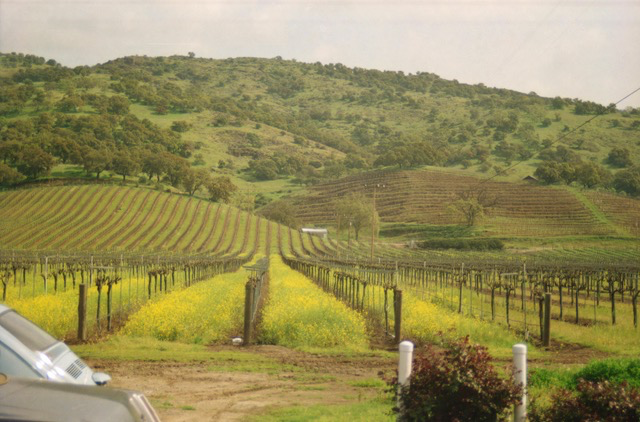
Spring brings blooming mustard flowers between the vines and smaller crowds, making it easier to secure reservations at sought-after wineries. Fall harvest season, particularly September and October, allows you to witness the winemaking process firsthand and experience the energy that defines wine country during crush.
Winter shouldn’t be overlooked either. January through March offers the most intimate tasting experiences, with winemakers often having more time to share their stories personally. Plus, accommodation prices drop significantly during these quieter months.
Focus on Specific Wine Regions Within Sonoma
Sonoma County’s vast size means you can’t see everything in one trip. Instead, concentrate on specific regions that align with your wine preferences and travel style.
The Russian River Valley excels in Pinot Noir and Chardonnay, offering a cool climate that produces elegant, food-friendly wines. Dry Creek Valley specializes in Zinfandel and has a charming, rural atmosphere perfect for leisurely exploration. Alexander Valley produces outstanding Cabernet Sauvignon with a warmer climate that creates bold, structured reds.
Sonoma Valley, often called the “Valley of the Moon,” provides historical significance as the birthplace of California wine and offers incredible diversity from a single appellation. Choosing one or two areas per day prevents rushed tastings and allows for meaningful connections with the wine and the people who make it.
Book Appointments in Advance
Gone are the days of spontaneous winery hopping throughout Sonoma. Most premium wineries now require reservations, sometimes weeks in advance for weekend visits. This shift actually enhances the experience by ensuring personalized attention and preventing overcrowding.
When booking, consider mixing large, established wineries with smaller, family-owned operations. The big names offer polished experiences and impressive facilities, while boutique producers provide intimate settings where you might taste with the actual winemaker.
Many wineries offer specialized experiences beyond standard tastings, including vineyard tours, food pairings, and blending sessions. These upgraded experiences typically require advance booking but provide deeper insight into winemaking and the region’s terroir.
Consider Professional Guidance
While self-guided exploration has its merits, Sonoma wine tours provide invaluable benefits that enhance your visit considerably. Professional guides know which back roads to take, which wineries match your preferences, and how to pace your day for optimal enjoyment.
Tours eliminate the stress of designating a driver and navigating unfamiliar roads after tasting. More importantly, established tour companies have relationships with wineries that can open doors to experiences unavailable to the general public, including access to reserve wines and private barrel tastings.
Group tours also create social opportunities to share the experience with fellow wine enthusiasts, while private tours offer customization for special occasions or specific interests.
Embrace the Food Scene
Sonoma’s culinary landscape rivals its wine offerings, and pros know that great food elevates wine tasting. The region boasts farm-to-table restaurants, artisan cheese makers, and local markets that showcase the agricultural bounty beyond grapes.
Plan at least one substantial meal at a acclaimed restaurant like The Farmhouse Inn or Glen Ellen Star. Many wineries also offer food pairings that highlight how wine and cuisine interact, providing educational value alongside delicious combinations.
Don’t overlook casual options like the Sonoma Plaza, where you can grab provisions for a picnic at a winery with outdoor seating. This approach saves money while creating memorable moments in beautiful vineyard settings.
Pace Yourself and Stay Hydrated
Professional wine tasters know that quality trumps quantity every time. Limit yourself to three or four wineries per day, allowing time to savor each experience rather than rushing through a checklist.
Use spit buckets without embarrassment—they’re provided for a reason, and using them allows you to taste more wines while maintaining clarity and safety. Drink plenty of water between tastings and eat substantial meals to avoid palate fatigue and overindulgence.
Conclusion
Exploring Sonoma wine country like a pro means approaching the region with intention, respect, and openness to discovery. By choosing your timing wisely, focusing on specific areas, making reservations, considering professional guidance, embracing the food culture, and pacing yourself appropriately, you’ll create an experience that goes far beyond simple wine tasting. Sonoma rewards those who take time to understand its nuances, offering memories and bottles that will last long after your visit ends.