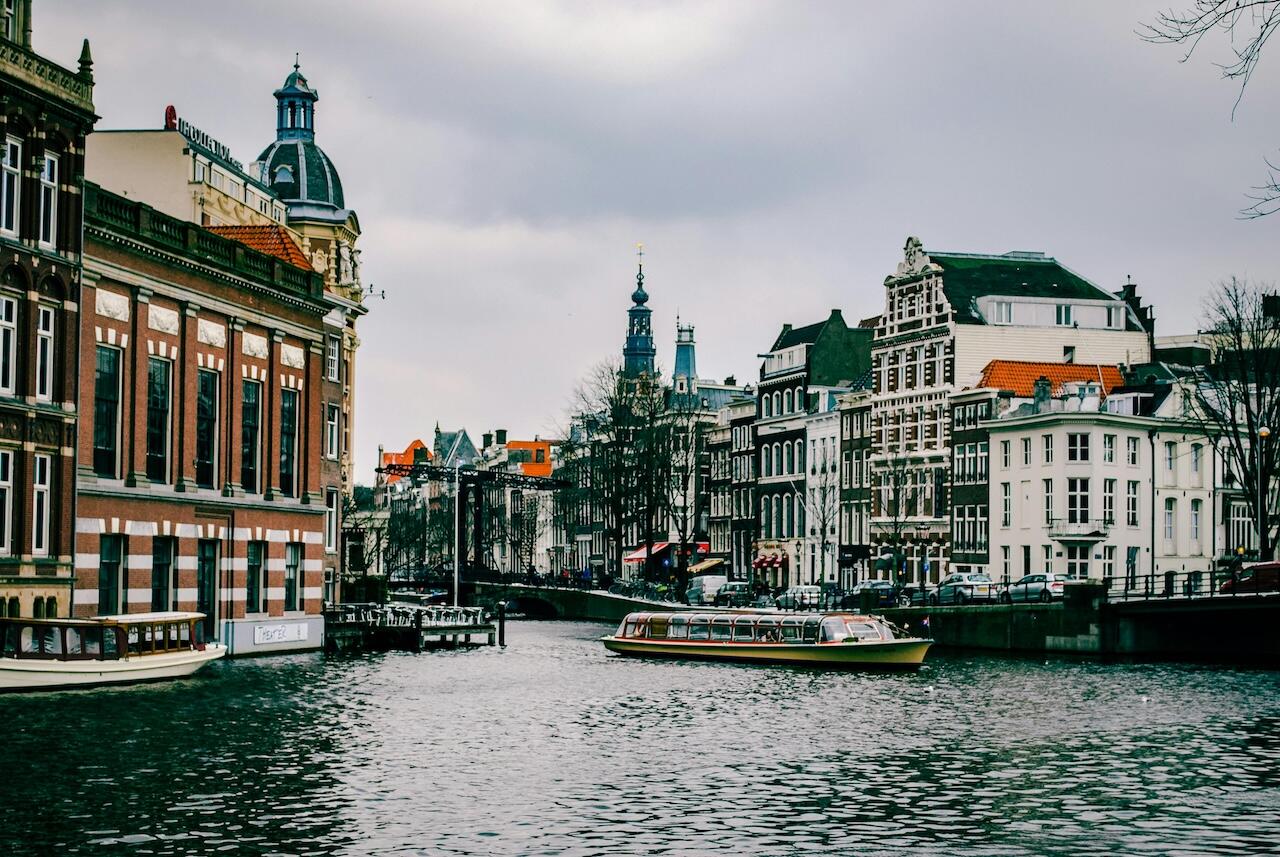
Amsterdam stands as one of Europe’s most culturally rich cities, where centuries of history blend seamlessly with artistic heritage and architectural wonder. Whether you’re a first-time visitor or returning to explore deeper layers of this Dutch capital, the city offers an incredible array of attractions that tell the story of its golden age, artistic movements, and resilient spirit. Let me guide you through the must-see cultural and historical destinations that make Amsterdam truly unforgettable.
The Rijksmuseum: A Journey Through Dutch Art and History
The Rijksmuseum represents the crown jewel of Amsterdam’s museum district, housing over 8,000 objects spanning 800 years of Dutch history. Walking through its grand halls, you’ll encounter masterpieces by Rembrandt, Vermeer, and Frans Hals that capture the essence of the Dutch Golden Age. The museum’s most famous resident, Rembrandt’s “The Night Watch,” commands its own gallery space and never fails to captivate viewers with its dramatic composition and scale.
Beyond paintings, the Rijksmuseum showcases intricate Delftware, historical weapons, ship models, and decorative arts that illustrate daily life throughout Dutch history. The building itself, a Gothic-Renaissance masterpiece designed by Pierre Cuypers, deserves admiration for its stunning architecture and the way natural light floods through its galleries.
Anne Frank House: A Powerful Testament to History
Few historical sites carry the emotional weight of the Anne Frank House, where the young diarist and her family hid from Nazi persecution during World War II. The preserved secret annex remains largely unchanged, with the original bookcase entrance still standing as a haunting reminder of those dark years. Walking through the narrow rooms where eight people lived in silence for over two years creates an intimate connection to Anne’s story that no history book can replicate.
The museum expertly contextualizes Anne’s personal experience within the broader Holocaust narrative, displaying original diary pages, photographs, and video testimonials from Otto Frank, Anne’s father and the annex’s sole survivor. This attraction requires advance booking, as it’s one of Amsterdam’s most visited sites for good reason.
The Canal Ring: UNESCO World Heritage Architecture
Amsterdam’s iconic canal ring, constructed during the 17th century, represents one of the most ambitious urban planning projects of its time. The concentric waterways of Herengracht, Keizersgracht, and Prinsengracht showcase thousands of historic merchant houses with their distinctive gabled facades, many leaning at precarious angles due to their wooden foundation piles. Taking a canal cruise offers perspective on how this hydraulic engineering marvel shaped the city’s development and commercial success.
Walking along these canals reveals architectural details that span several centuries, from ornate Golden Age facades to Art Nouveau and Art Deco influences. The canal houses weren’t just homes but also warehouses and workshops, with their characteristic hoisting beams still visible today, once used to lift goods to upper floors.
Van Gogh Museum: The World’s Largest Collection
The Van Gogh Museum holds the world’s most extensive collection of works by Vincent van Gogh, featuring over 200 paintings, 500 drawings, and 750 personal letters. The chronological arrangement allows visitors to trace Van Gogh’s artistic evolution from his dark, earthy Dutch period through his vibrant, emotionally charged French years. Seeing iconic works like “The Bedroom,” “Sunflowers,” and “Almond Blossoms” in person reveals brushwork details and color intensity that reproductions cannot capture.
The museum also provides context about Van Gogh’s relationships with fellow artists, his mental health struggles, and the posthumous recognition that eluded him during his lifetime. For those seeking a more personalized experience, private tours of Amsterdam often include expert-guided visits to this museum, offering deeper insights into Van Gogh’s techniques and symbolism.
The Royal Palace: Baroque Grandeur on Dam Square
The Royal Palace of Amsterdam, originally built as the city hall during the Dutch Golden Age, stands as a testament to Amsterdam’s wealth and power during the 17th century. The building’s classical facade conceals lavish interiors featuring marble sculptures, painted ceilings, and the impressive Citizens’ Hall with its inlaid marble floor maps depicting the known world. Though still used for royal functions, the palace opens regularly to visitors who can explore its opulent rooms and learn about Dutch royal history.
The palace’s location on Dam Square places it at the heart of Amsterdam’s historical center, surrounded by other significant buildings and memorials that commemorate important moments in Dutch history.
Conclusion: Immersing Yourself in Amsterdam’s Rich Heritage
Amsterdam’s cultural and historical attractions offer something far beyond typical sightseeing—they provide windows into the Dutch spirit, artistic innovation, and historical resilience. From world-class art museums to poignant historical sites and architectural marvels, each destination adds another layer to understanding this remarkable city. Plan adequate time for each attraction, book tickets in advance when possible, and allow yourself moments to simply wander and absorb the atmosphere that makes Amsterdam one of Europe’s most captivating cultural destinations.