The half-time whistle does more than pause the match; it sets off a nationwide sprint to the kitchen. Fifteen minutes stand between analysis and action, forcing quick decisions about what can be heated, plated and eaten before play resumes. In stadium concourses and living rooms alike, kick-off times now dictate appetite, turning half-time into Britain’s most compressed and decisive mealtime.
The Mechanics of the 15-Minute Window
Fifteen minutes sounds generous until the clock starts. In reality, usable time is closer to ten. The first few minutes are spent reacting to the final action of the half. The last few are reserved for plating and returning to the screen. Cooking choices reflect this compression.
Air fryers and fan ovens dominate because they guarantee predictable timing. Foods that cook at high heat without supervision win. Thin-cut chips, breaded chicken strips and loaded flatbreads are common because they brown quickly. Pre-assembled items reduce decision-making. The priority is minimal chopping, minimal washing up and maximum flavour.
At the same time, the screen rarely goes dark. Replays roll, pundits analyse momentum shifts, and many fans glance at the betting websites to track live odds and match performance updates before the second half begins.
Batch preparation before kick-off is another strategy. Trays of seasoned wedges parboiled earlier in the day only need a final blast in the oven.
Slow-cooked pulled beef prepared in advance can be reheated and stuffed into soft rolls within minutes. The half-time dash rewards foresight, whether that means prepping food early or keeping pace with how the game is unfolding before the whistle blows again.
What Actually Lands on the Plate
Half-time food is built around texture and portability. Crunch, melt and salt matter more than presentation.
Fast heat staples remain popular because they align perfectly with the window:
- Margherita and pepperoni pizzas with added chilli flakes or hot honey
- Skin-on fries finished with grated parmesan
- Halloumi fries with yoghurt dip
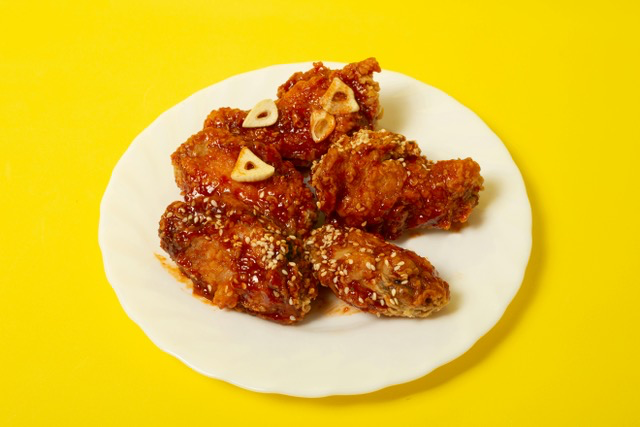
- Chicken wings coated in gochujang or buffalo glaze
These cook in under fifteen minutes and deliver strong flavour without assembly.
Handheld builds are equally practical:
- Mini brioche sliders with smashed beef patties
- Toasted wraps filled with spiced chicken and slaw
- Loaded hot dogs with crispy onions and mustard
- Quesadillas sliced into triangles for quick grabbing
They require one hand and minimal attention. There is no knife-and-fork pause that risks missing a goal.
Grazing boards have also evolved beyond crisps and nuts. A modern matchday spread may include:
- Spiced roasted chickpeas
- Thick-cut focaccia with whipped ricotta
- Chorizo slices warmed briefly in a pan
- Marinated olives and pickled vegetables
Everything is bite-sized and ready to reach.
Why Comfort Wins Under Pressure
Half-time eating leans heavily into familiarity. When tension is high, predictable flavours feel grounding. Salted, crispy and carb-forward foods dominate because they deliver instant satisfaction. There is little appetite for delicate plating or subtle seasoning.
The structure of sport reinforces this. A tight scoreline keeps adrenaline elevated. Food becomes a background stabiliser. Rich textures and bold sauces offer contrast to the unpredictability on screen. Even during daytime fixtures, choices often skew indulgent rather than light.
This explains the popularity of loaded variations. Plain fries become skin-on fries topped with cheddar and jalapeños. Basic nachos turn into layered trays with slow-cooked beef and chipotle sauce. Half-time invites upgrades without complication.
Stadium vs Sitting Room Plates
At both stadiums and at home, matchday follows one clear principle: food first. Eating at a stadium operates under strict time and space constraints, so every dish must justify its place in the queue. Queues dictate speed, and food must be hot, handheld and easy to carry back to a seat.
The classic steak or chicken balti pie remains dominant because it is compact, insulated by pastry and filling enough to last the half. Burgers wrapped in paper, trays of chips and hot dogs topped with onions follow the same rule.
Concourse menus favour reliability over range. Pies are baked in advance and held at temperature. Chips are portioned for rapid service. Even loaded options are simplified to avoid slowing the queue. In a stadium setting, food first means function before flourish.
At home, the food-first mindset shifts but does not disappear. There is more freedom to cook, layer and share, yet timing still dictates what makes the table. Large trays of nachos topped with melted cheddar and jalapeños can sit beside bowls of whipped feta, warm flatbreads and marinated olives. Slow-roasted pork shoulder can be shredded into brioche rolls, while baked macaroni cheese holds its heat well beyond the whistle.
Planning for Precision
The most successful half-time meals are engineered before kick-off. Key strategies include:
- Preheating the oven five minutes before the whistle
- Using thin cuts that cook faster
- Lining trays with parchment for rapid clean-up
- Portioning sauces in advance
Some hosts time dishes to finish just as the half ends. Others rely on European dishes that hold heat well, such as baked Camembert, Spanish tortilla slices, Italian arancini or stuffed pastry twists. Precision reduces panic and keeps the second half distraction-free.
More Than a Snack
Half-time hunger is not accidental. It is shaped by fixture scheduling, shared routines and the fixed rhythm of sport. The fifteen-minute interval dictates texture, flavour and format. It rewards preparation and punishes overcomplication.
As sports calendars grow busier, this compressed eating ritual becomes more defined. The half-time plate is built for speed, intensity and minimal distraction. It is not a full dinner, yet it carries the weight of one. When the second half begins, the kitchen falls silent again. Until the next whistle.