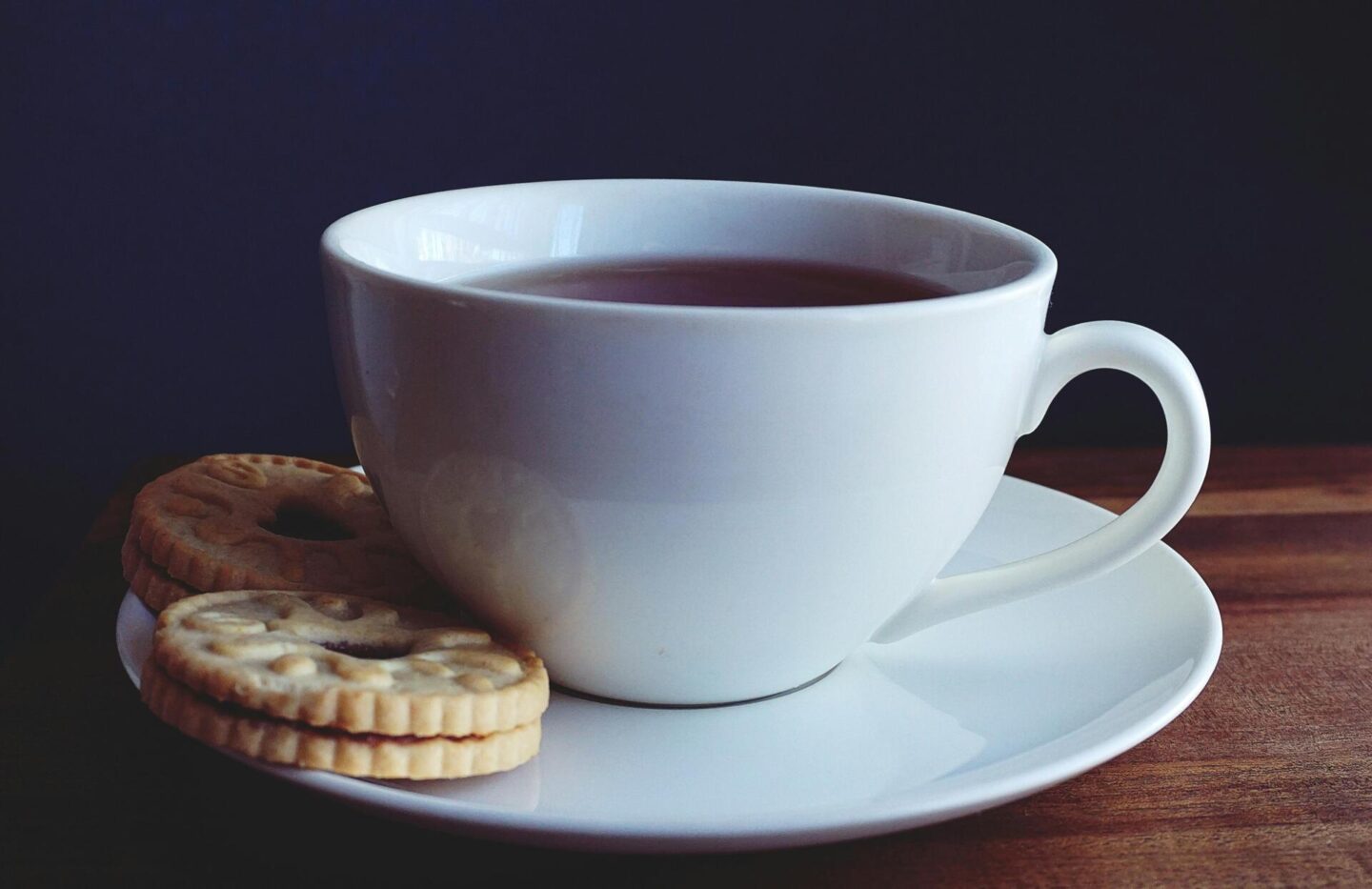
In Britain, the ritual of tea and biscuits is more than a habit, it’s a comforting pause in the day, a moment of connection, and a quiet celebration of tradition. Whether it’s the first cup of tea in the morning, or a shared pot with friends, this simple act has woven itself into the fabric of British life. But how did this pairing become so ingrained in British daily life? The story begins centuries ago, with royal influence, social innovation, and a change in culinary habits.
From royal ritual to national obsession
Tea’s journey to Britain began in the 17th century, when Catherine of Braganza, a Portuguese princess, married King Charles II in 1662. She brought with her a love for tea, which she then introduced to the British court. The East India Company spotted the royal craze for tea, and became the only company allowed to import it from China in 1669. Initially a luxury for the elite, tea gradually became more accessible, and by the 18th century, it had become a staple in British households.
The birth of afternoon tea and social ritual
In the 19th century, the Duchess of Bedford, Anna Maria Russell, experienced what she described as a “sinking feeling” in the late afternoon, a dip in energy between lunch and dinner. To combat this, she began taking a light meal of tea and snacks in her private quarters. Soon, she invited friends to join her, and the practice evolved into the tradition of afternoon tea. This innovation not only satisfied a personal need but also created a new social occasion that transformed how Britons structured their day and interacted socially.
The rise of the biscuit and the art of dunking
As tea became more popular, so did the practice of pairing it with biscuits. Biscuits like rich tea and digestives were developed in the 19th century, initially as light snacks for the upper classes. Rich tea biscuits, for instance, were designed to be mild and crisp, ideal for dunking. The act of dunking itself has historical roots; sailors in the 16th century softened hard biscuits by dipping them in beer, a practice that eventually evolved into the tea dunking tradition we enjoy today. Biscuits have stayed a favourite alongside tea for centuries, and over time they have also become popular as thoughtful gifts. Whether that’s a shortbread biscuit gift box, or a selection of rich tea biscuits, it can bring a bit of that comforting ritual to friends or family, offering a small taste of tradition that’s easy to share.
Tea rooms, gender, and modern relevance
In the early 20th century, tea rooms became significant social spaces, particularly for women. In Scotland, entrepreneurs like Kate Cranston opened tea rooms that offered women a place to meet unchaperoned, fostering a sense of independence and community. These establishments were more than just places to enjoy tea, they were venues for social interaction, political discussion, and even business networking. Today, the tradition of tea and biscuits continues to thrive, adapting to modern tastes while retaining its comforting essence.
The enduring appeal of tea and biscuits lies in their simplicity and versatility. Whether it’s a quiet moment alone or a shared experience with friends, this pairing offers a sense of continuity and connection. It’s a tradition that, despite the passage of time, remains as relevant and cherished as ever.