Moving house isn’t just about finding a new postcode—it’s a rare chance to rethink your daily rituals, especially in the kitchen.
Packing and unpacking boxes forces you to take stock of what you own, from trusty pots to gadgets you’d forgotten existed.
This process gives you permission to assess your cooking habits, toss what no longer serves you, and spotlight the tools that make meals memorable.
As you reorganize your new space, you might find yourself inspired to try new recipes or refresh your approach to food altogether.
This article dives into how moving can spark creativity, fuel decluttering, and help you reconnect with the heart of your home—the kitchen.
The Essential House Moving Checklist: Setting Up Your New Kitchen
Moving house is more than shifting boxes—especially when it comes to your kitchen.
It’s the heart of the home, packed with gadgets, cookware, and those jars you never got around to opening.
To make sure nothing important gets lost or broken, a detailed house moving checklist is your best friend.
Start by separating daily essentials—think kettle, mugs, utensils—from occasional-use items like mixers or specialty pans.
Pack a “first night” kitchen box with tea bags, coffee, basic cutlery, and a pan or two.
This way, you can settle in quickly without rummaging through endless boxes for breakfast supplies on day one.
Label boxes clearly—by room and contents—to streamline both moving and unpacking.
Wrap fragile items in dish towels or bubble wrap to avoid accidents during transit.
Pro Tip: Create a quick inventory list for each box so nothing goes missing in the shuffle.
Packing methodically saves time but also sets the tone for an organized new kitchen space.
With careful planning now, you’ll be able to enjoy your new kitchen sooner—and with less stress—once moving day dust settles.
Key Takeaway: A comprehensive checklist turns chaos into order, helping you transition into your new cooking space with confidence and ease.
Decluttering, Downsizing, and Kitchen Minimalism
Moving house gives you a rare opportunity to rethink what actually deserves a spot in your kitchen.
As you sort through cupboards and drawers, it’s easy to see which gadgets and tools are genuinely useful—and which ones are just taking up space.
This is your chance to cut down on clutter, donate what you don’t need, and build a more streamlined cooking environment.
Embracing a minimalist approach isn’t about losing functionality; it’s about creating a kitchen that works better for you every day.
By focusing only on the essentials, you make room for efficiency and creativity—making mealtime simpler and more enjoyable.
Sorting the Essentials from the Extras
The packing process is the perfect time to be honest with yourself about what you use versus what’s gathering dust.
Start by setting aside everyday items—knives, pans, utensils—you reach for without thinking.
Next, take stock of specialty gadgets or duplicate pieces. If something hasn’t seen daylight in over a year, consider donating it or passing it on to someone who’ll use it more often.
This kind of thoughtful editing frees up space and cuts down on post-move chaos. When everything in your new kitchen has a purpose, cooking feels less stressful—and more rewarding.
The Joy of a Streamlined Pantry
A house move forces you to confront your pantry head-on. That means tossing expired spices, half-empty bags of flour, or those tins bought during lockdown but never used.
Once you’ve cleared out what’s past its prime, group staples like pasta, grains, canned goods, and baking essentials together for easy access. Transparent containers or labeled baskets can help keep things visible and organized.
This reset not only prevents food waste but also makes meal planning easier. A tidy pantry inspires confidence every time you open the door—because everything you need is right where you expect it to be.
Minimalism for Everyday Cooking
Simplifying your kitchen doesn’t mean sacrificing great meals—it means focusing on quality over quantity.
A 2023 Martha Stewart feature on Minimalist Kitchen Benefits highlights how fewer tools and less clutter make meal prep more enjoyable by reducing stress and boosting efficiency in daily routines.
With only your favorite knives, pans, and mixing bowls at hand, decision fatigue fades away. You cook with intention—enjoying both the process and the results even more than before.
Key Takeaway: A minimalist kitchen supports better habits by clearing space for what truly brings joy and function to your daily life.
Reimagining Kitchen Design and Organization
Moving into a new home means you get to design your kitchen from scratch, tailoring it to how you actually cook, store, and entertain.
With the right organization strategies, even a compact kitchen can feel spacious and practical.
It’s your chance to rethink every drawer, shelf, and surface—so each corner works for your lifestyle.
Smart Storage Solutions for Modern Kitchens
Maximizing space starts with clever storage ideas that adapt to modern life.
Pull-out shelves in lower cabinets let you see everything at a glance—no more forgotten pans lurking in the back.
Drawer organizers keep utensils tidy and within reach. Vertical storage racks or magnetic strips can turn empty wall space into homes for knives or spice jars.
If you’ve got deep drawers, use adjustable dividers for pots and lids. For small kitchens, hanging baskets or over-the-door racks add instant extra storage without any renovation fuss.
Pro Tip: Store everyday items at eye level for easy access and stash occasional-use gadgets up high.
Personalizing Your Cooking Space
Your kitchen should reflect who you are—not just what fits the floorplan. Start with color: bold backsplashes or painted cabinets bring energy and character to the room.
Add open shelving to display favourite mugs, heirloom dishes, or cookbooks. Mixing textures—like wood accents or matte metals—adds warmth and interest without crowding surfaces.
A 2023 Kitchen Trends article highlights how leading designers see homeowners increasingly choosing unique materials and open layouts that mirror their cooking habits and personalities.
The result? A kitchen that feels welcoming—and unmistakably yours.
Creating Zones for Efficiency
A well-organized kitchen isn’t just beautiful—it makes daily tasks faster. Divide your space into zones: prepping (knives, boards), cooking (pots, spices), serving (plates), and cleaning (sink supplies).
Place essentials where you’ll use them most. Keep prep tools near the chopping area; pots next to the stove; plates by the dining spot. This simple zoning reduces back-and-forth trips during busy meal prep times.
If space allows, create a breakfast nook or coffee station away from the main work triangle to avoid morning bottlenecks—a layout seen in many Scandinavian homes known for their smart use of space.
Key Takeaway: Thoughtful organization transforms your new kitchen into an efficient hub tailored for both everyday routines and creative cooking sessions.
Cooking, Connection, and New Beginnings
Moving into a new home isn’t just about finding the right spot for your kettle or pans. It’s about using this fresh start to foster connection and creativity in your kitchen.
As boxes are unpacked and routines are reset, you’ll find new reasons to cook, share meals, and make lasting memories. A thoughtfully arranged kitchen becomes a welcoming stage for both everyday meals and special occasions.
This is your chance to reinvent not just where you cook, but how you connect—with food, with family, and with friends.
Hosting and Entertaining in Your New Space
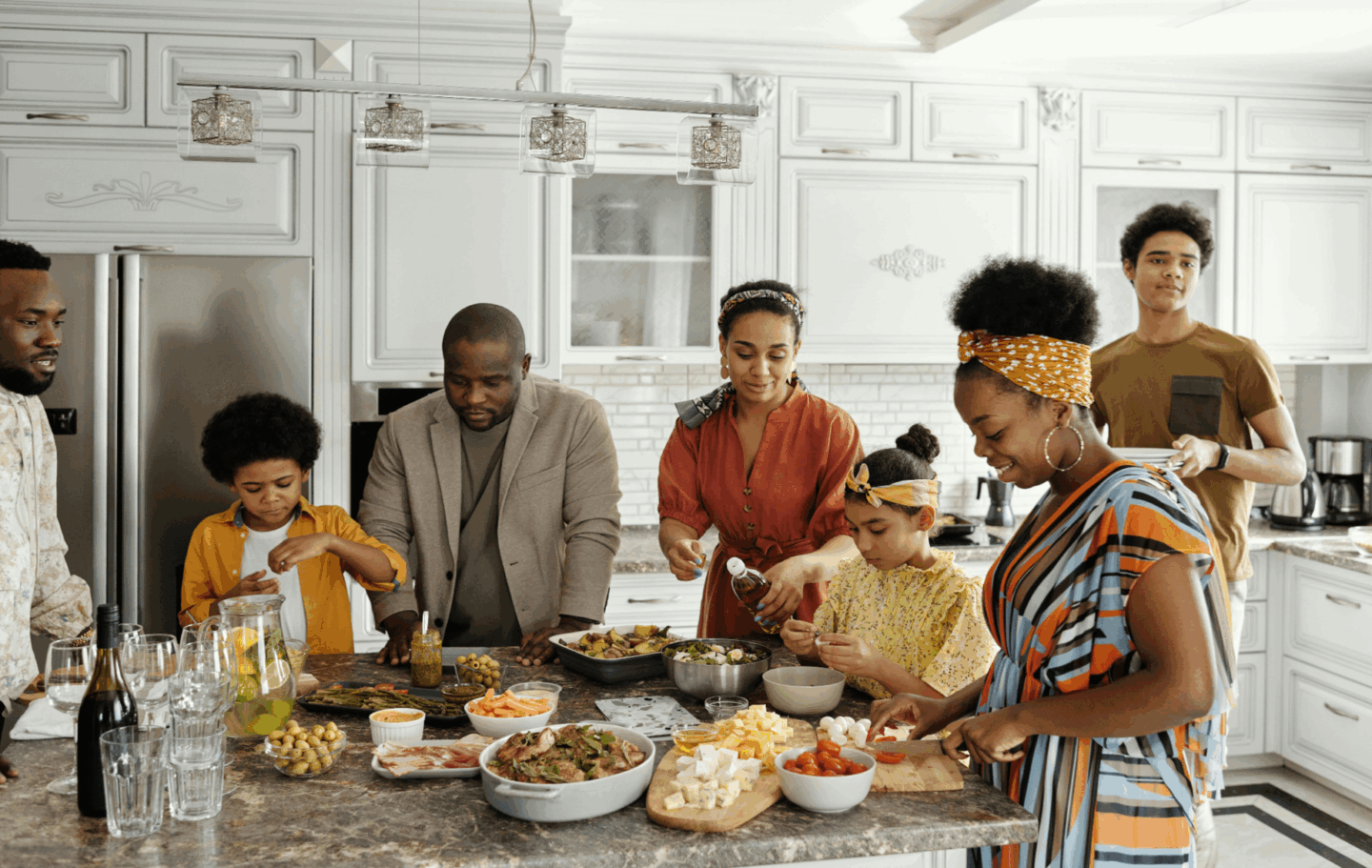
Your new kitchen offers endless opportunities to bring people together. Whether you’re planning a laid-back Sunday brunch or an evening dinner party, your space sets the tone for memorable gatherings.
Start simple: invite a neighbour for coffee or host a potluck with friends to break in the space. Small gestures—like setting out homemade nibbles or using favourite serving dishes—can make guests feel instantly at home.
The more you open your kitchen to others, the more it becomes the heart of your home.
Trying New Recipes and Techniques
A change of scenery can be the perfect excuse to get creative in the kitchen. When you arrange your utensils or stock new ingredients, you’re likely to rediscover gadgets you’ve forgotten—and get curious about recipes you’ve never tried before.
2023 Home Cooking Trends highlight that moving house often sparks experimentation with new dishes and cooking styles. This fresh environment encourages you to dust off that bread maker or try fermenting vegetables for the first time.
Let curiosity guide you—there’s no better time to explore than when everything feels new again.
Building Healthy Habits from Day One
A blank slate makes it easier to set up healthy routines right from the start. As you arrange pantry staples and fill your fridge, prioritize whole foods over processed snacks—and make room for fruits and veggies at eye level.
Create prep zones that encourage quick salad-making or smoothie blending. Stock up on versatile ingredients that support balanced meals without fuss.
By intentionally organizing your kitchen around healthful choices now, you’ll set yourself up for mindful eating long after move-in day has passed.
Conclusion
Moving house isn’t just about boxes and bubble wrap—it’s a genuine opportunity to hit reset on your kitchen and how you cook.
As you settle into your new space, take time to curate a kitchen that truly fits your needs and inspires your creativity.
Whether it’s clearing out unused gadgets or discovering a better flow for meal prep, every decision shapes a more enjoyable daily routine.
Embrace this fresh start, and you’ll find that cooking becomes less of a chore and more of a pleasure in your reinvented kitchen.