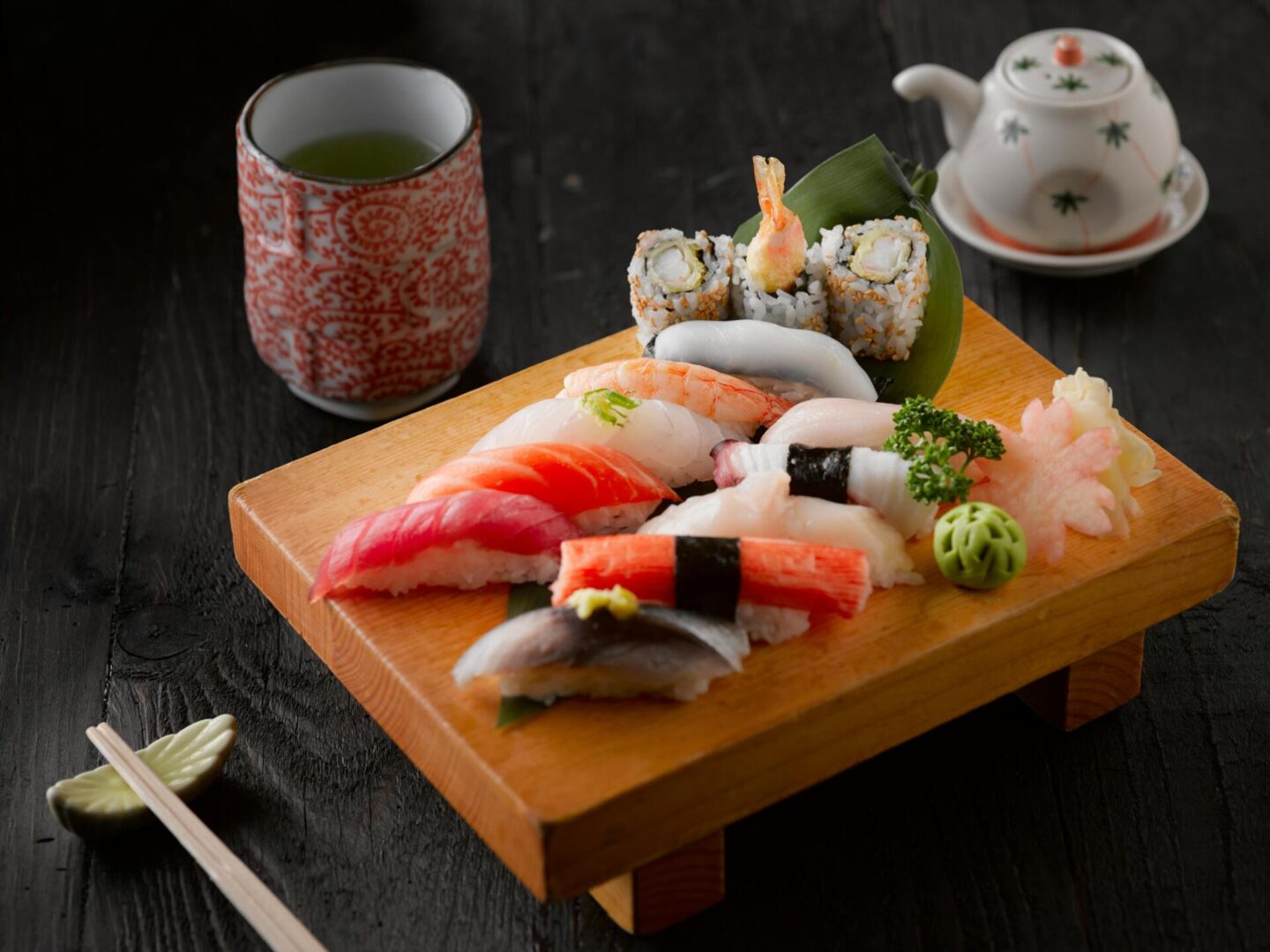
When you step into a sushi restaurant, you’re not just sitting down for a meal — you’re stepping into centuries of tradition, craftsmanship, and culinary evolution. Sushi, now beloved worldwide, began as a simple method of preserving fish but has transformed into a celebrated art form known for its freshness, presentation, and delicate balance of flavors. Let’s take a deep dive into the fascinating history of sushi and discover how it became a global favorite.
The Humble Beginnings: Sushi as Preservation
The story of sushi starts over a thousand years ago in Southeast Asia. Ancient communities developed a preservation method known as narezushi, where fish was salted and stored in fermented rice. This technique allowed fish to be kept edible for months, essential for survival before modern refrigeration.
Interestingly, the original purpose of the rice was solely to aid in fermentation and was often discarded before eating the preserved fish. It wasn’t until this method reached Japan during the 8th century that things began to change. The Japanese evolved the practice into namazushi, where both the fish and the rice were consumed, shortening the fermentation process and paving the way for new culinary innovations.
Edo Period: The Birth of Modern Sushi
During Japan’s Edo period (1603–1868), sushi underwent a revolutionary transformation. A visionary chef named Hanaya Yohei created what we recognize today as nigiri sushi — small hand-formed mounds of vinegared rice topped with slices of fresh raw fish.
Nigiri sushi was designed for speed and convenience, perfect for the bustling lifestyle of Edo (modern-day Tokyo). It was often sold at street stalls and eaten quickly, much like modern fast food. This innovation shifted sushi from being a method of preservation to a focus on flavor, freshness, and artistry — a legacy that continues in every quality sushi restaurant today.
The Spread of Sushi Worldwide
For many years, sushi remained a largely Japanese delicacy. It wasn’t until the mid-20th century, particularly after World War II, that sushi began its international journey. As Japan rebuilt and its culture spread across the globe, so did its cuisine.
The first sushi restaurants outside Japan appeared in places like Los Angeles and Hawaii, catering to Japanese immigrants. Over time, sushi captured the attention of adventurous eaters worldwide. The creation of dishes like the California Roll — featuring crab, avocado, and cucumber — helped introduce sushi to Western palates, blending familiar flavors with traditional techniques.
Today, sushi is a global phenomenon. From luxury dining establishments to casual takeout spots, sushi has proven its universal appeal. Still, the heart of a true sushi experience remains the same: a respect for ingredients, a dedication to craftsmanship, and a passion for balance.
The Art of Sushi-Making
Making sushi is far more than just assembling ingredients; it’s a true art form. At a high-quality sushi restaurant, every piece of sushi tells a story of precision, tradition, and respect for the craft.
The journey to becoming a sushi chef, or itamae, is long and demanding. It can take years just to learn how to properly prepare rice. Mastery of knife skills, fish selection, seasoning, and presentation is crucial. Each slice of fish must be cut perfectly to enhance its texture and flavor. Each grain of rice must be seasoned and handled with care.
This intense training and attention to detail are what make dining at an authentic sushi restaurant a truly special experience. You’re not just eating food; you’re witnessing a living tradition honed through generations.
Sushi Today: A Blend of Tradition and Innovation
Modern sushi reflects a beautiful balance between preserving tradition and embracing innovation. Traditional forms like nigiri, sashimi, and maki (rolls) remain beloved, but chefs around the world have also introduced new ideas — think tempura rolls, spicy tuna rolls, or even vegan sushi made with ingredients like avocado, tofu, and jackfruit.
Fusion sushi allows for creativity and diversity while honoring the techniques and spirit of traditional sushi-making. No matter how it evolves, the soul of sushi remains tied to its roots: simplicity, respect for ingredients, and aesthetic beauty.
Experience the Art of Sushi at Sushi Restaurant
At Sushi Restaurant, we proudly continue this rich tradition. Our chefs are trained in both classic techniques and modern innovations, bringing you the freshest, most flavorful sushi experience possible. Whether you’re a seasoned sushi lover or new to this incredible cuisine, we invite you to join us for a culinary journey that spans centuries and cultures.
Step into our sushi restaurant and discover the artistry, history, and flavors that make sushi an experience like no other. We look forward to sharing this timeless tradition with you, one perfect bite at a time.
Final Thoughts
The journey of sushi, from an ancient preservation method to a celebrated global cuisine, is a testament to the beauty of evolution and tradition in food. Every roll, every slice, and every bite carries with it a rich story of culture, innovation, and artistry. Whether you enjoy classic nigiri, adventurous fusion rolls, or plant-based sushi creations, you’re participating in a legacy that spans over a millennium.
At Sushi Restaurant, we honor this legacy every day by serving sushi crafted with passion, authenticity, and a touch of modern creativity. Join us, and taste the history and heart behind every piece. Your sushi journey starts here.