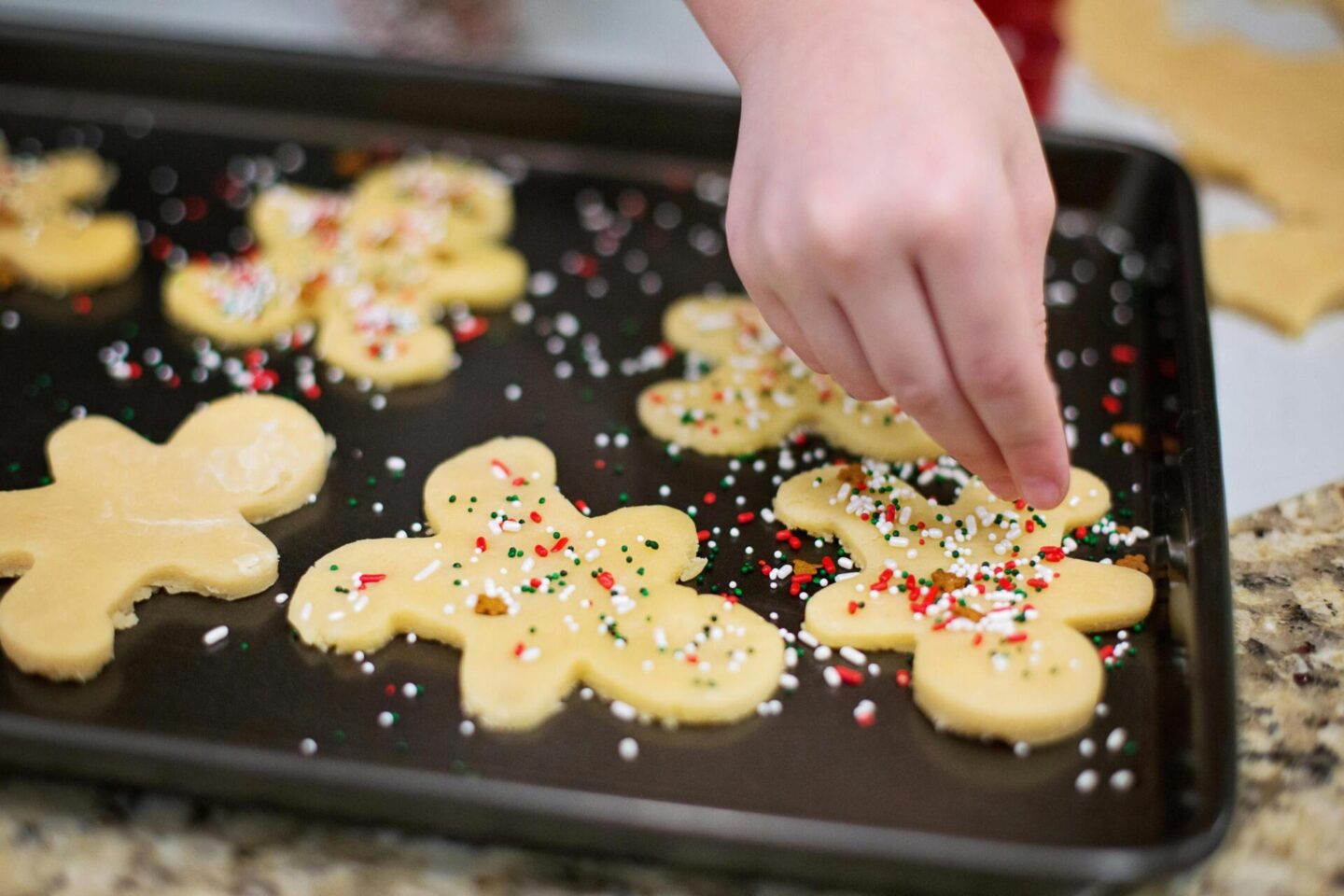
The kitchen fills with warmth as flour dusts the worktop and little hands eagerly reach for measuring spoons. Holiday baking with children creates memories that last far beyond the season, whilst passing down cherished family traditions from one generation to the next.
You’ll find that teaching youngsters to bake goes well beyond simply following recipes. It’s about connecting them to their heritage, building confidence, and creating precious moments together during the festive period.
Starting with Simple Foundations
Begin your baking journey with straightforward recipes that guarantee success. Shortbread biscuits make an excellent starting point, since they require just three basic ingredients and forgive minor measuring mistakes. Children love rolling the dough and cutting shapes, whilst you can share stories about Scottish traditions or your own childhood experiences.
Mince pies offer another wonderful opportunity. You can involve children in making pastry, explaining how their grandparents might have prepared the same treats decades ago. For anyone fostering a child in the UK, these activities provide gentle ways to introduce foster children to new family customs whilst respecting their own backgrounds.
Building Skills Through Repetition
Each baking session builds upon the last. You’ll notice that children naturally develop better coordination as they crack eggs more confidently and measure ingredients with increasing accuracy. Christmas pudding preparation, though more complex, allows older children to understand how patience creates exceptional results.
The methodical nature of baking teaches valuable life skills. Following instructions, timing different steps, and working as a team all contribute to personal development. Foster children often particularly benefit from these structured activities, as they provide stability and achievement in a nurturing environment.
Creating New Traditions
Don’t feel bound entirely by historical recipes. You might adapt traditional gingerbread to include allergen-free alternatives, ensuring every child can participate fully. Perhaps your family develops its own signature twist on classic recipes – adding orange zest to Christmas cake or creating unique icing decorations.
These adaptations become your family’s special traditions. Children take enormous pride in these personalised touches, often requesting “our special way” when helping in future years.
Sharing the Results
The joy multiplies when children share their creations with others. Packaging homemade treats for neighbours, teachers, or care workers teaches generosity whilst showcasing their newfound skills. You’ll witnessgenuine pride as children explain how they measured, mixed, and decorated their offerings.
Year-Round Benefits
Holiday baking skills extend throughout the year. Children who master basic techniques during festive periods often request to help with everyday cooking. They’ve gained confidence in the kitchen and understanding of how ingredients work together.
These experiences also strengthen family bonds. Years later, adult children frequently return to recreate childhood baking memories with their own families, continuing the cycle of tradition and learning.
A Sweet Legacy
Teaching children traditional holiday baking recipes creates far more than delicious treats. You’re building confidence, sharing heritage, and establishing traditions that will comfort and connect families for generations. The skills learned whilst making Christmas biscuits or stirring cake mixture become foundations for lifelong creativity and family connection.