Retirement brings a lot of freedom—and for many, that means it’s finally time to see the places they’ve dreamed of. Whether it’s a Tuscan vineyard, a quiet cabin in the woods, or a grandchild’s graduation across the country, older adults are traveling more than ever. And why not? You’ve earned it.
Still, safety matters. The good news is, you don’t need to trade adventure for peace of mind. With a few smart habits and tools, you can enjoy the journey and protect your health at the same time. One simple option: the LifeAssure emergency button. It’s discreet, lightweight, and gives both you and your loved ones a little extra confidence—especially in unfamiliar places.
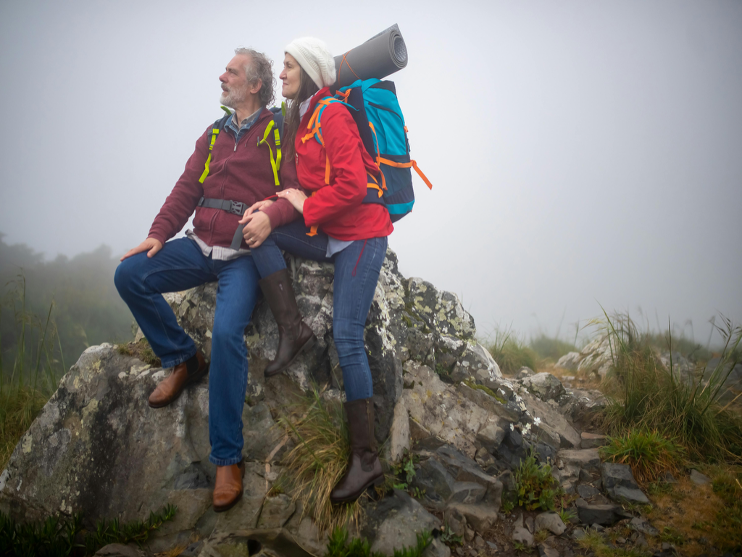
The Rise of the Senior Traveler
There’s been a real shift. Travel is no longer just for the young or ultra-fit. Seniors are booking flights, joining tours, and exploring cities on their own terms. Today’s 60-, 70-, even 80-somethings are walking museum corridors, hopping on trains, and sipping coffee on sun-drenched terraces. They’re healthier, more active, and more tech-savvy than previous generations.
A big part of this is infrastructure. Airlines are more accommodating. Hotels are offering accessible rooms as standard. Even booking apps now filter for elevator access or walk-in showers. For seniors who once thought travel might be too complicated, the door’s wide open.
Choosing Places That Work for You
Not all destinations are created equal when it comes to ease of movement. The charm of a centuries-old town wears thin quickly when it’s nothing but stairs and cobblestones. On the flip side, cities with flat streets, public transportation, and thoughtful design can make all the difference.
Think about how you like to spend your time. Love culture and museums? Florence or Vienna might be perfect. Prefer nature? National parks often offer accessible trails and visitor facilities designed with older travelers in mind. Coastal towns with boardwalks or river cruises with stable boarding ramps are great choices too.
The trick is to stay close to the action. A centrally located hotel or apartment means you’ll spend less time getting around and more time enjoying yourself.
Travel Light, But Smart
Packing well doesn’t mean stuffing your suitcase—it means being intentional. Comfort is key. Choose shoes you can walk in all day. Bring weather-ready layers, a refillable water bottle, and medications clearly labeled in a daily pill organizer. Adding custom velcro patches to your backpack or travel gear can also make it easy to identify your belongings while adding a personal touch.
It also helps to carry a list of important health info, like medications, allergies, and your primary doctor’s contact details. You never expect to need it—but if you do, having that list handy is priceless.
And yes, bring the tech that works for you. A phone with international data, a portable charger, and if you wear one, your emergency alert button. It’s there if something unexpected happens, without interfering in your plans.
Insurance Isn’t Boring—It’s Freedom
No one wants to think about getting hurt or sick on vacation. But it happens. Travel insurance might not be glamorous, but it can be a lifesaver.
Good coverage doesn’t just reimburse missed flights. It can cover emergency care, hospital stays, even an airlift if needed. If you have pre-existing conditions, make sure the policy includes them—it’s usually just a small extra step.
And don’t forget to bring copies of your insurance documents. Keep one in your bag, one in your room, and a digital version on your phone. It’s boring prep that makes a huge difference if things go sideways.
Staying Safe Without Missing Out
You don’t need to hover near a hotel to feel secure. Some of the best safety moves are also the simplest. Check the weather before heading out. Make sure your phone’s charged. Take breaks during the day. Travel at your own pace.
Try to avoid overpacking your days. One or two highlights is usually more enjoyable than racing through five attractions. It also gives you more space to enjoy things spontaneously—like ducking into a local café or joining a sidewalk music performance.
And always trust your gut. If a street feels too dark, or a tour seems too rushed, it’s okay to pivot. Travel’s not a checklist—it’s an experience.
Going Solo or Group? Both Work
There’s no one right way to travel. Some seniors love group tours. They take care of the logistics, offer social connections, and often include a guide who can handle hiccups.
Others prefer going solo or with a partner. It gives you more control over your pace and itinerary, which can be helpful if you need downtime or have specific interests. If you do go solo, just make sure someone knows your plans and check in now and then. A simple “all good” text can go a long way.
Either way, bring tools that support your independence. The LifeAssure emergency button, for instance, is a small addition that allows for big peace of mind, whether you’re on a guided city tour or just exploring a quiet beach path on your own.
Staying Social (and Safe)
Part of travel is meeting new people—whether it’s chatting with a local shopkeeper, bonding with a fellow tourist, or asking your host for tips on where to eat. Don’t shy away from those connections. They can enhance your experience and even offer unexpected help if you need it.
That said, keep personal information minimal when talking to strangers. No need to broadcast where you’re staying or that you’re alone. Friendly is great. Oversharing? Not so much.
It’s also a good idea to check in with family or a friend back home. Even if it’s just a quick message every couple of days, it reassures them—and gives you a safety net if anything happens.
Know What to Do in an Emergency
If something does go wrong, staying calm is easier when you’ve got a basic plan.
Save local emergency numbers in your phone (like 112 in Europe or 911 in the US). Know where the nearest hospital or clinic is, even if you don’t think you’ll need it. Some travelers also carry an international medical card or bracelet with vital info, especially if they have a condition like diabetes or a pacemaker.
And don’t forget: that emergency button isn’t just for big emergencies. Even if you feel dizzy, have a minor fall, or just need help quickly, it’s your direct line to assistance.
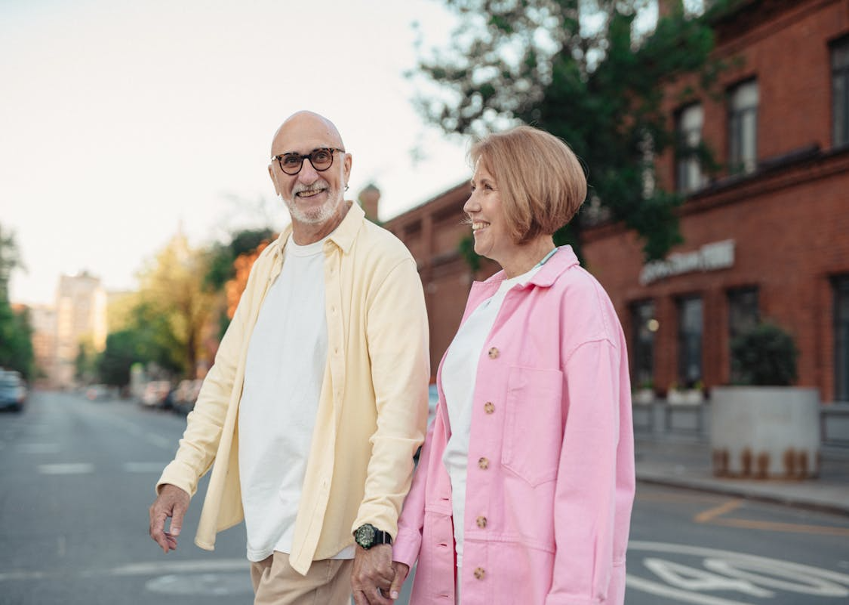
Travel Isn’t About Age—It’s About Attitude
There’s something powerful about taking a trip later in life. You see things differently. You appreciate the small moments. And often, you’ve got the patience and perspective that younger travelers haven’t developed yet.
Travel can be bold, relaxing, challenging, or gentle. It can mean five-star hotels or cozy guesthouses. What matters is that you go. That you step out of your usual space and into the wider world—with your eyes open and your safety handled.
So book the flight. Taste the wine. Take the photo. And maybe—just maybe—keep that emergency button nearby, not because you expect trouble, but because you’ve earned the right to travel fully, confidently, and with joy.