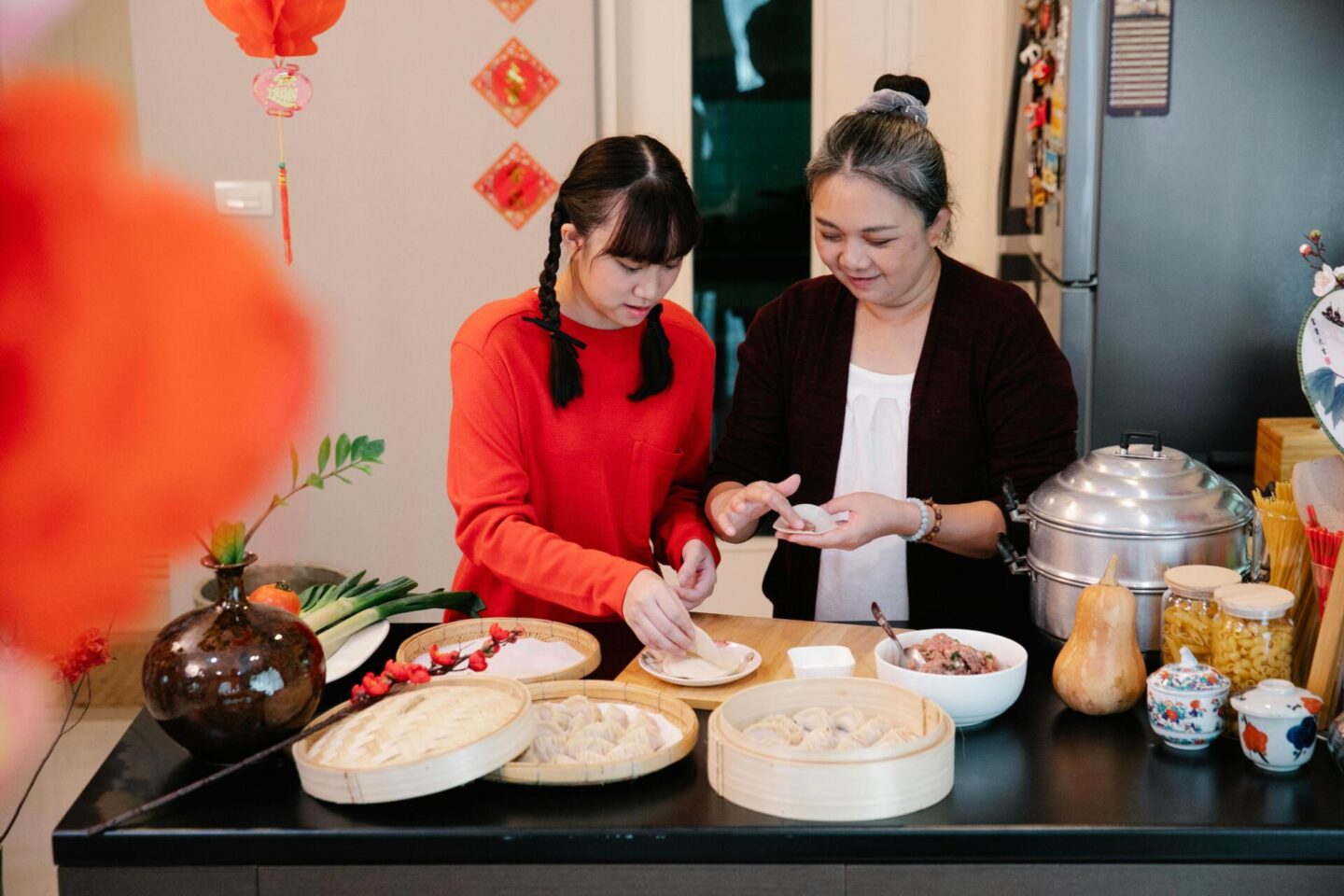
Bringing international flavours into your home kitchen isn’t about trends. It’s about curiosity, taste and a willingness to try something new. With many regions offering distinct techniques and ingredients, home cooking becomes more interesting when you branch out.
Recreating those flavours might seem difficult at first, but with some preparation and focus on the basics, anyone can build dishes that feel true to their origins. From spice blends to cooking styles, there’s plenty to explore without making it complicated or expensive.
The Global Pantry: Building a Foundation of Flavour
Ingredient choices shape everything. Without the right base elements, recreating a national dish loses its identity. Stocking the kitchen with a few regional staples is one of the easiest ways to expand your cooking range.
For Middle Eastern dishes, za’atar and sumac can bring warmth and tang. Thai food often leans on fish sauce, tamarind paste and coconut milk. North African cooking benefits from ras el hanout, preserved lemon and couscous. Japanese meals are enhanced with fermented bean paste, mirin and dashi.
Choose one or two regions that interest you and collect the essential spices and condiments first. There’s no need to fill your shelves all at once. UK supermarkets have started carrying more diverse products, and specialist stores or online retailers can fill the gaps.
Once you have the right ingredients, follow trusted recipes that use those elements traditionally. It keeps the flavour authentic and lets you experience what the dish is meant to taste like.
Techniques That Tell a Story
Each cooking method has its cultural background. These aren’t just techniques; they are part of why dishes develop in specific ways. Taking the time to learn them adds more than just accuracy. It brings the cooking process closer to the original experience.
Stir-frying is fast and hot, keeping ingredients fresh and textured. It’s common in Chinese and Southeast Asian cooking. Braising is a slower process and appears in French, Moroccan and Korean dishes, where deeper flavour needs time to build.
Tandoori-style cooking involves marinating in yoghurt and spices before using high, dry heat. This method, common in Indian cuisine, creates layers of flavour that develop during the cooking. Japanese meals often include steaming, which preserves colour and subtlety.
Choose a cooking technique that fits with your available tools and time. The more you repeat a method, the more comfortable it becomes and the more consistent your results will be.
Staying Organised When Cooking International Dishes
Following instructions from a range of sources, such as cookbooks, websites, or handwritten notes, can quickly lead to clutter. Keeping those recipes sorted helps reduce stress during prep and ensures steps aren’t missed.
Saving digital recipes as PDFs is common, especially when printing isn’t convenient. It can be frustrating without the right tool if changes are needed, like removing a step or simplifying instructions. In those cases, using something that lets you fix PDF files without downloading software saves time and helps you stay focused.
Once recipes are clear and tailored to your style, cooking becomes much more manageable. You’ll be able to batch ingredients ahead, set timers more efficiently and follow along without second-guessing.
Exploring Recipes That Bring Regions to Life
There’s a difference between trying something new and choosing recipes that represent the culture well. Going straight to famous dishes is a good strategy. These meals often contain flavour, history, and ingredients that define the region.
Bibimbap from Korea layers rice, vegetables, gochujang and a fried egg. It’s colourful, healthy and easy to adapt. Feijoada, a hearty black bean stew from Brazil, uses smoked meats and is best enjoyed slowly.
Greek moussaka balances seasoned mince, aubergine and béchamel in structured layers. Harira, common in Moroccan homes, blends lentils, chickpeas, tomatoes and warming spices into a filling soup.
Choose one recipe each week that represents a different part of the world. Focus on mastering a few favourites rather than rushing through several unfamiliar dishes.
Tools That Add Value to Global Cooking
Some equipment makes a noticeable difference when trying to stay true to technique. While it’s tempting to buy everything upfront, only a few tools are genuinely helpful early on.
A rice cooker handles everything from jasmine to basmati without attention. Mortars and pestles grind spices better than electric versions when making traditional pastes. Clay pots create better heat balance for dishes like tagines or stews.
Steamers, especially bamboo ones, help keep dumplings or buns soft and evenly cooked. Even simple items like long chopsticks or wooden spatulas can improve your control during cooking.
Decide which tools fit the style of food you’re cooking most often. A small investment can lead to better texture and less frustration.
Learning as You Go: Real Kitchens, Real Outcomes
Trying unfamiliar recipes will bring mixed results. That’s expected. What matters more is the process of building comfort with a new cuisine. Not everything needs to be exact the first time. Some dishes may taste slightly different than intended, especially when substituting ingredients, but they still build your skill set.
It’s helpful to keep track of what worked and what didn’t. Adjusting quantities, changing cook times or revisiting preparation steps improves results over time. Having a recipe log or digital note system keeps you focused and helps you avoid repeating errors.
Confidence Over Perfection
Great dishes don’t require flawless technique or expensive ingredients. Once you start to recognise flavour pairings and cooking flow, adjustments come naturally. Swapping lamb for beef, using tinned tomatoes over fresh, or omitting an ingredient due to allergies doesn’t have to ruin a meal.
Taste matters more than following every instruction. Focus on what you enjoy about the meal, then slowly improve parts that feel weak. That way, you stay motivated and avoid the pressure of getting everything right the first time.
Try Something New Tonight
Global cooking doesn’t have to feel intimidating. Choose a region that excites you, get familiar with the basics, and test a few recipes in your own way. The more you practise, the easier it becomes to work with new flavours, ingredients and styles.
There’s plenty to enjoy when your dinner table starts reflecting places far beyond your usual routine. Start with one dish, cook it a few times, and then expand when ready. Exploring new tastes doesn’t require perfection. It just needs your interest and a little planning.