The hospitality industry is evolving rapidly, but many hotel security strategies still rely on outdated approaches. In 2026, hotels are no longer just places to sleep. They are digitally connected environments managing sensitive guest data, mobile access credentials, smart room systems, and complex multi location operations. This transformation has dramatically expanded the risk landscape.
Recent industry data highlights the urgency. According to VikingCloud, about 82 percent of North American hotels have experienced cyberattacks, and many properties are targeted repeatedly. The financial impact is significant. The average hospitality data breach has been estimated at roughly $3.86 million, putting pressure on both large hotel groups and independent properties. Globally, cybercrime activity continues to accelerate, with attacks occurring approximately every 39 seconds. These trends make it clear that traditional hotel security models are no longer sufficient for today’s threat environment.
Hotels must now rethink security as an intelligent, unified, and proactive capability rather than a collection of isolated tools.
The Expanding Risk Landscape for Hotels
Modern hotels operate in a hybrid physical and digital environment. Features such as mobile check in, smart thermostats, cloud property management systems, and connected guest services have improved convenience but also introduced new vulnerabilities.
One of the most significant shifts is the rise of hyper connected properties. Many hotels now rely on integrated cloud platforms that manage reservations, payments, guest preferences, and building controls. Each connected system creates another potential entry point for attackers if it is not properly secured. Industry analysts consistently warn that the hospitality sector is becoming an attractive target precisely because of this growing digital footprint.
Guest data is particularly valuable. Hotels routinely store passport information, credit card details, loyalty program profiles, and travel histories. Because this information can be easily monetized, cybercriminals increasingly view hotels as high value targets. Research indicates that nearly one third of hospitality businesses have experienced a data breach, and repeat incidents are common among organizations that do not modernize their defenses.
At the same time, physical security risks have not disappeared. Unauthorized access to guest floors, vehicle theft in parking areas, and safety incidents in public spaces remain real concerns. Hotels must now manage both cyber and physical threats simultaneously, which places new demands on security infrastructure.
Why Legacy Hotel Security Models Are Falling Behind
Many hotels still operate with fragmented security environments that were designed for a much simpler risk profile. Cameras, access control systems, and incident logs often function independently, creating operational blind spots.
Siloed systems slow investigations and complicate real time response. When security teams must jump between multiple dashboards to understand what is happening, valuable time is lost. In fast moving incidents, delays of even a few minutes can significantly increase risk.
Another limitation of legacy security is its reactive nature. Traditional surveillance systems are primarily used to review footage after an incident occurs. In 2026, this approach is no longer adequate. Today’s threat landscape requires real time awareness, automated alerts, and behavioral analytics that can identify problems as they develop.
Staffing challenges further compound the issue. The hospitality sector continues to face labor shortages and high turnover. Maintaining round the clock manual monitoring is expensive and difficult to sustain. Automation and intelligent analytics are becoming essential for maintaining consistent coverage without dramatically increasing headcount.
Guest Expectations Are Higher Than Ever
Security is no longer just an operational concern. It has become a core component of the guest experience.
Modern travelers expect secure digital interactions, controlled building access, safe parking facilities, and visible but unobtrusive surveillance. At the same time, they want convenience. Contactless check in, mobile room keys, and self service kiosks are now standard in many properties.
This creates a delicate balance. Hotels must deliver frictionless experiences while maintaining strong security controls behind the scenes. Poorly implemented mobile access or weak credential management can introduce new vulnerabilities, including credential abuse and unauthorized entry.
Reputation risk is also higher than in previous years. A single well publicized security incident can quickly spread across review platforms and social media, damaging guest trust and long term brand value. In competitive hospitality markets, trust is a differentiator that directly influences booking decisions.
Compliance and Liability Pressures Continue to Grow
Regulatory expectations for hotels are becoming more demanding. Properties must now navigate data protection laws, payment security requirements, and duty of care obligations for guest safety. Insurers are also increasing scrutiny of hotel security posture when underwriting policies.
Forward thinking operators increasingly view security as part of overall business resilience rather than a simple compliance checkbox. Hotels that fail to modernize may face higher insurance premiums, greater legal exposure, and potential regulatory penalties.
Franchise operators and brand standards are also evolving. Many major hospitality brands now require stronger visibility into property level security performance, especially for multi location portfolios. This trend is pushing more hotel groups toward centralized and standardized security platforms.
What Modern Hotel Security Looks Like in 2026
Upgrading hotel security today is not simply about installing more cameras. It requires building a unified and intelligent security ecosystem that provides real time situational awareness across the property.
Modern platforms combine video surveillance, access control, license plate recognition, and incident management into a single operational view. This unified visibility allows security teams to understand events in context rather than piecing together information from separate systems.
Artificial intelligence plays a central role in this transformation. AI powered monitoring can identify suspicious behavior, detect unusual occupancy patterns, flag loitering, and accelerate forensic search. Instead of manually reviewing hours of footage, teams can quickly surface relevant events and respond faster.
Cloud based architecture is another defining feature of modern hotel security. Multi property hotel groups can manage locations from a centralized dashboard, improving consistency and reducing operational overhead. This scalability is especially valuable for growing hospitality brands that need standardized security across multiple sites.
The Value of Intelligent Door Access Control
A critical component of hotel modernization is upgrading entry management across guest areas, staff zones, and restricted facilities. Many properties still rely on aging keycard infrastructure that lacks real time visibility and centralized control.
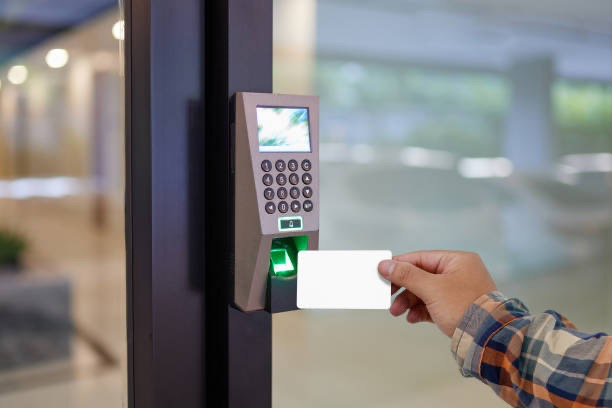
This is where a modern door access card reader system becomes essential. Solutions such as Coram’s smart door readers verify cards, fobs, or mobile credentials in real time and feed that data into a unified security platform. Instead of simply unlocking doors, these readers create a secure bridge between identity and access policy while giving administrators full visibility into every entry event.
Because Coram readers support common wiring standards and multiple credential types, hotels can often upgrade without replacing existing infrastructure. This flexibility is especially valuable for hospitality operators managing multiple properties or older buildings that need modernization without major renovation.
When paired with AI video and centralized monitoring, intelligent door readers help hotels reduce unauthorized access, improve audit trails, and maintain consistent security standards across guest and staff areas.
Business Benefits Beyond Risk Reduction
Security modernization delivers operational benefits that extend well beyond threat prevention. Hotels that adopt intelligent security platforms often see improvements in guest satisfaction, operational efficiency, and loss prevention.
Faster incident response contributes to a safer environment for guests and staff. Improved visibility into parking areas and common spaces helps reduce theft and liability claims. Centralized oversight allows hotel groups to standardize policies across locations and identify emerging patterns earlier.
These advantages make modern security a business enabler rather than just a protective measure. In competitive hospitality markets, operational intelligence can directly support revenue protection and brand differentiation.
How Hotels Should Plan Their Security Upgrade
Hotels that want to modernize effectively should begin with a structured assessment of current risks and infrastructure. Understanding where blind spots exist is the first step toward building a future ready security posture.
Successful upgrades typically involve evaluating existing camera coverage, reviewing access control policies, assessing network security, and defining an integration roadmap. Staff training and incident response planning are equally important. Technology alone cannot deliver results without clear operational processes.
The goal is to create a scalable foundation that can evolve alongside guest expectations and emerging threats. Hotels that take a strategic approach now will be better positioned to adapt over the next decade.
FAQs
Why is hotel security more critical in 2026?
Hotels now operate highly connected digital environments that manage sensitive guest data and mobile access systems. The combination of cyber risk and physical safety requirements makes modern, unified security essential.
What are the most common security risks for hotels today?
The most common threats include data breaches, ransomware attacks, unauthorized property access, credential misuse, and safety incidents in public areas. Fragmented security systems often make these risks harder to detect early.
Do smaller hotels really need advanced security platforms?
Yes. Smaller properties are often targeted because they may have fewer dedicated security resources. Cloud based and AI driven platforms allow smaller hotels to achieve enterprise level visibility without large security teams.
How does AI improve hotel security operations?
AI enables real time threat detection, behavioral analytics, automated alerts, and rapid video search. This helps security teams move from reactive investigations to proactive risk management.
What should hotels prioritize when upgrading security?
Hotels should focus on unified visibility, real time analytics, cloud scalability, and compatibility with existing infrastructure. These factors ensure the system remains effective as the property grows.
Final Thoughts
The hospitality sector is entering a period where security, technology, and guest experience are deeply interconnected. Rising cyber threats, persistent physical risks, and increasing regulatory pressure are exposing the limitations of legacy security models.
Hotels that treat security as a strategic investment will be better positioned to protect guests, safeguard data, and maintain operational resilience. In 2026 and beyond, success in hospitality will depend not only on service quality but also on the ability to deliver intelligent, scalable, and trustworthy security across every property.
For hotel operators evaluating their next move, the message is straightforward. Modern security is no longer optional. It is a foundational requirement for staying competitive in the digital hospitality era.