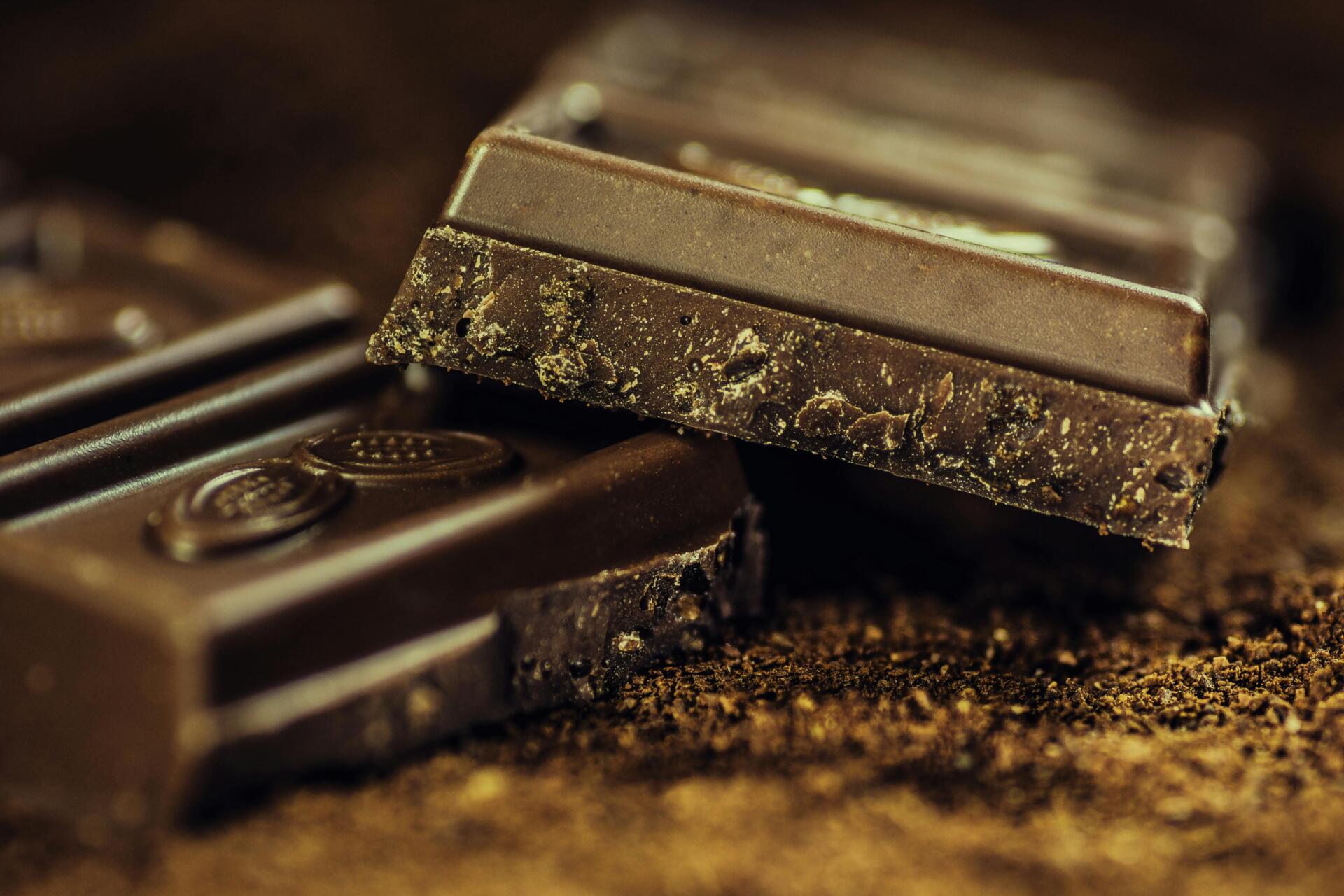
Chocolate is among the most cherished ingredients in the world of baking, the universal means to indulgence, celebration, and creativity. Whether you are baking a rich chocolate cake or making silky mousse, or pouring glossy ganache, chocolate takes simple desserts to a decadently rich level. To know more, click on the chocolate powder ingredients. However, there are different types of chocolate, and this article provides a general overview of how to use them in baking.
Composition of different types of chocolate
- Dark Chocolate: Dark chocolate has the highest level of cocoa solids (50–90%) and cocoa butter with very little to no milk solids. Consequently, dark chocolate has a strong, rich flavour with varying degrees of bitterness depending on the cocoa percentage.
- Milk Chocolate – Milk chocolate typically contains a percentage of cocoa solids varying from 25-40%, cocoa butter, milk powder, and sugar. The addition of the milk powder results in a creamier consistency and a lighter brown colour.
- White Chocolate – White chocolate does not contain any cocoa solids, like dark or milk chocolate. White chocolate is made from cocoa butter, sugar, milk solids, and vanilla. Once again, without cocoa mass (solids), it lacks that flavor we typically associate with chocolate; instead, it is a rich, creamy, sweet chocolate that has buttery and vanilla notes.
How to use dark chocolate in baking?
Dark chocolate is the most intense, with high levels of cocoa solids and lower amounts of sugar. Dark chocolate has a strong and slightly bitter flavor, which matches well with heavier desserts.
- Brownies and Truffles: The high cocoa content of dark chocolate is what makes brownies fudgy, and truffles silky and smooth.
- Ganache and Glaze: In its melted state, dark chocolate is combined with cream to produce a ganache that is glossy and perfect for filling, glazing, or layering cakes.
- Cakes and Tarts: Dark chocolate is used to balance out flavors in desserts of fruits, nuts, and caramel, adding depth.
How to Use Milk Chocolate in Baking
Milk chocolate is smooth and creamy with a sweetness that is subtle and less intense than dark chocolate. This is the ideal choice of chocolate for desserts that are for a family audience.
- Cookies and Muffins: Milk chocolate chips are legendary in the chocolate chip cookie world, as they hold their shape in the cookie and are creamier than dark chocolate chips or chunks.
- Layered Cakes: Milk chocolate is great for frosting and fillings, especially paired with fruit, vanilla, or nutty layers.
- No-Bake Desserts: Milk chocolate is perfect for no-bake desserts because it melts so smoothly. It is great for mousses, chocolate bark, or dipping strawberries.
Usage of White Chocolate in Baking
White chocolate is different as it has a sweet, rich butterscotch flavor with little or no cocoa solids. White chocolate works best in desserts that can benefit from a thick, rich, creamy flavor.
- Cookies and blondies: White chocolate chips provide a creamy and sweet flavor burst in soft, chewy desserts.
- Frostings and fillings: When melted, white chocolate adds a flexible and rich quality to buttercream and mousse.
- With fruits: In desserts with tart fruits, such as raspberry, passionfruit, or lemon, the decision to pair a creamy white chocolate with the tart fruit adds a balance to layers of sweetness.
- Decorative work: Its pale color works well as a visual contrast in layered or to drizzle over dark chocolate desserts.
Conclusion
Chocolate is more than an ingredient; it represents the heart of so many desserts and the soul of every baker’s creations. There are different types of chocolates with different compositions and flavours, like dark, white, and milk chocolate, and it is important to know where to use them to elevate your bakes from ordinary to extraordinary.