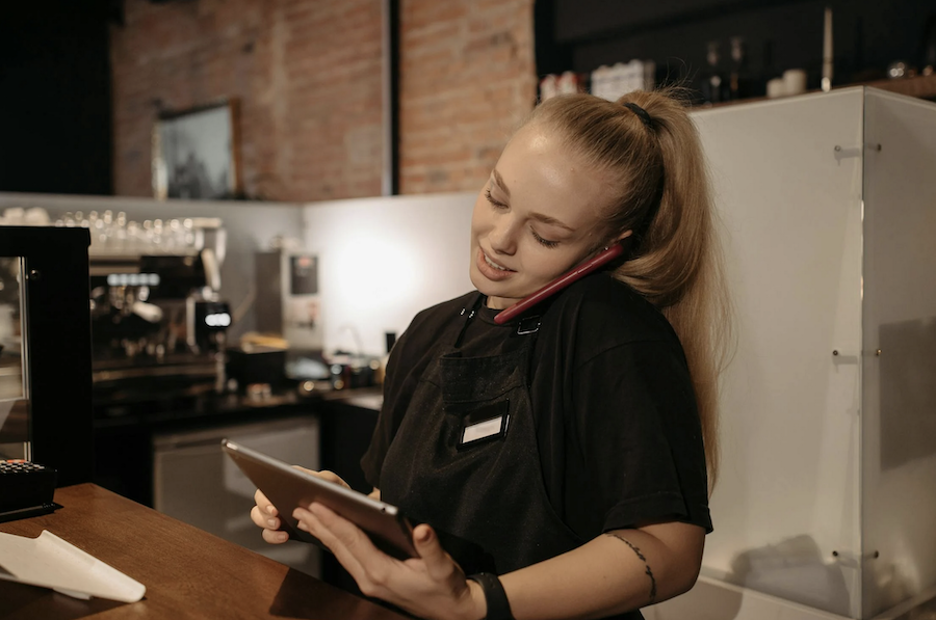
 The restaurant world has always been about more than food. It’s the atmosphere, the story, the rituals of dining that pull people in. But in 2025, the industry has another essential ingredient: the app. Not just a nice add-on, but a fully-fledged part of the dining experience.
Scroll through your phone and you’ll find delivery apps, reservation apps, loyalty apps. Yet the restaurants gaining traction right now aren’t relying on third-party platforms. They’re crafting their own. These bespoke apps aren’t just about getting tables booked—they’re about shaping brand identity, nurturing loyalty, and creating a seamless, memorable experience long before anyone sits down at the table.
So, how do you actually build the perfect restaurant app in 2025? Let’s break it down.
Start with the Story
Every great restaurant app begins with storytelling. The mistake many places make is treating their app like a digital filing cabinet—menus, reservation buttons, opening times. Necessary, sure, but flat. A strong app should feel like stepping through the front doors of the venue itself.
Take The Old Pheasant in Glaston. Known for its countryside charm and old-world hospitality, they leaned into their brand identity when designing their app. “We wanted our app to feel like an extension of the inn,” a manager there explained. “Guests scrolling through should get that same warmth they’d feel by the fireplace with a pint in hand.”
It’s a smart move. The lesson? Don’t start with functions. Start with feelings. Build an app that answers the question: what do we want our guests to feel when they think of us?
Functionality is Non-Negotiable
Of course, once you’ve nailed the vibe, you’ve got to deliver on the basics. People expect seamless usability in 2025. Booking a table should take seconds, not minutes. Payment options should be varied, simple, and secure—whether someone prefers tapping with Apple Pay or saving their card details for next time.
This isn’t the place to cut corners. Frustrated customers won’t stick around, no matter how pretty the app looks. A few design rules of thumb:
- Keep navigation minimal. Three or four key tabs max.
- Prioritize speed. Nobody should see a loading wheel for more than two seconds.
- Test across devices. What looks sharp on an iPhone might glitch on Android.
The restaurants that get this right are the ones treating functionality as the skeleton that supports everything else—not as an afterthought.
Loyalty in the Digital Age
Loyalty programs used to mean dog-eared stamp cards pulled from the depths of a wallet. Now, they’re sleek digital rewards systems that make repeat dining feel like unlocking a game level.
In 2025, the perfect restaurant app uses loyalty schemes that are personal and dynamic. Instead of “Buy nine coffees, get the tenth free,” think tailored perks: discounts on weekday lunches if you’re a weekend diner, or free desserts during your birthday month.
What makes this so effective is psychology. People love to feel rewarded, and they love seeing progress. A glowing progress bar or countdown to a free glass of wine keeps diners engaged. It’s not just about saving money—it’s about feeling like part of an exclusive club.
Integrate Lifestyle, Not Just Dining
This is where the best apps really pull ahead: they become part of people’s lives beyond food. Muse by Tom Aikens in Belgravia understood this early on. Known for its creative tasting menus and boundary-pushing dishes, Muse wanted its app to reflect more than just reservations.
“We’ve built features that let our guests interact with our philosophy,” Tom Aikens’ team explained. “Through the app, diners can learn about seasonal ingredients, watch chef interviews, or even unlock curated playlists for their evening at home. It’s not just dining—it’s immersion.”
That kind of thinking pushes apps from practical to aspirational. They’re no longer just about going out to eat—they’re about shaping how people engage with the brand when they’re not at the table. It turns the restaurant into a lifestyle touchpoint.
Keep It Personal
If 2020 was about collecting data, 2025 is about using it wisely. The perfect restaurant app doesn’t just know your name—it anticipates your choices. Done subtly, personalization feels magical. Done clumsily, it feels invasive.
Here’s where AI steps in. Smart apps now analyze your past visits to predict what you’ll want next. If you usually book Friday dinners for two, your app might highlight upcoming tasting menus or special events falling on Fridays. If you always order a Negroni, the app might push a notification when a limited-edition gin collaboration drops.
The golden rule: make it feel helpful, not creepy. Customers should feel like the restaurant knows them as individuals, not data points.
Community Over Transactions
Here’s something interesting: the apps that spark loyalty aren’t just transactional. They’re social. They create community. Imagine a feature that lets regulars share reviews, swap photos, or even vote on the next special dish. Suddenly, the app isn’t just a tool. It’s a gathering place.
The Mitre in Richmond, a beautiful pub with a historic yet contemporary feel, has been exploring this angle. “For us, the app is about connection,” their team shared. “Yes, it manages bookings and menus, but it also lets us showcase guest stories, local partnerships, and the culture we’re building here. People love feeling part of that narrative.”
That’s the power of community-driven apps: they turn diners into advocates. And advocates are the most powerful form of brand awareness you can ask for.
The Role of Notifications
Push notifications often get a bad reputation. Overused, they feel spammy. Underused, they miss their potential. The perfect app finds balance.
In 2025, geo-targeted notifications are the game-changer. Picture this: you’re walking down the street near your favorite bistro, and your phone pings—“Happy hour starts in 15 minutes. First round on us if you’re nearby.” That level of immediacy can turn a passerby into a paying customer in seconds.
But restraint matters. One or two thoughtful pings a week is enough to keep customers engaged without overwhelming them. Less is more.
The Design Matters Too
Let’s not forget aesthetics. An app that looks dated won’t cut it. Design in 2025 is all about clean visuals, bold fonts, and high-quality images. Motion design and micro-animations are the cherry on top, giving apps a polished, modern feel.
But here’s the kicker: design should never overshadow usability. The perfect restaurant app blends the two—easy on the eyes, but even easier to use.
Conclusion: Apps as the New Front Door
So, how do you build the perfect restaurant app in 2025? You treat it like the new front door of your restaurant. It’s where first impressions are made, where loyalty is built, and where your story unfolds in the palm of someone’s hand.
The Old Pheasant in Glaston showed us how apps can mirror the heart of a brand. Muse by Tom Aikens proved that apps can transcend practicality and shape lifestyle. The Mitre in Richmond demonstrated the power of apps to build community. Together, they underline one truth: the perfect app doesn’t just support your restaurant—it defines it.
Restaurants that nail their app strategy aren’t just booking more tables. They’re embedding themselves into people’s daily lives, sparking loyalty that goes beyond a single meal.
Because in 2025, the perfect restaurant app isn’t really about technology. It’s about people—their habits, their emotions, their stories. And when you design with that in mind, you’re not just building an app. You’re building the future of your restaurant.