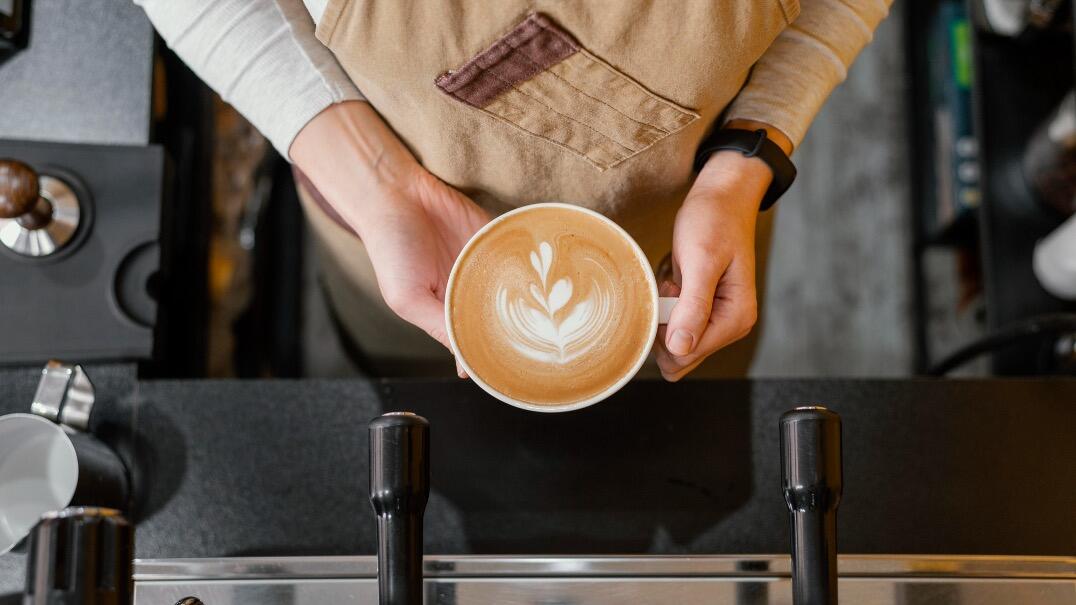
When running a successful café, restaurant, or any other coffee-focused business, the coffee machine you choose plays a crucial role in determining the quality of your product and the efficiency of your service. Manual and automatic commercial coffee machines are the two most popular choices among the many options available. But how do you decide which one is right for your business? In this guide, we’ll explore the differences between these two types of coffee machines, helping you make an informed decision that suits your needs.
The Appeal of Manual Commercial Coffee Machines
Manual coffee machines, often called “lever” machines, are the traditional choice for many coffee enthusiasts and experienced baristas. They require a higher level of skill to operate, but for those who take pride in their craft, they offer complete control over the brewing process.
Advantages of Manual Commercial Coffee Machines
- Customisation: A manual commercial coffee machine allows the barista to control every aspect of the brewing process, including water temperature, pressure, and extraction time. This level of control enables the creation of highly customised and unique coffee flavours, making it ideal for businesses prioritising speciality coffee.
- Authentic Coffee Experience: Many coffee connoisseurs prefer the hands-on approach with a manual machine, which can create a more artisanal coffee experience. The ritual of pulling espresso shots by hand can also be a selling point in your café, offering customers a sense of theatre as they watch their coffee being crafted.
- Cost-Effective for Smaller Businesses: Manual machines tend to have a lower upfront cost than their automatic counterparts, making them an attractive option for smaller businesses with a limited budget. They’re also generally more compact, which could be advantageous if you have limited space in your café or coffee shop.
Challenges of Manual Commercial Coffee Machines
- Requires Expertise: Operating a manual machine requires skilled baristas who are trained in the art of espresso-making. If you don’t have experienced staff, you may face challenges in maintaining consistency in the coffee quality.
- Time-Consuming: The brewing process on a manual machine can be more time-consuming, as it involves more steps to pull each shot. This could slow down service during peak hours, especially if your business is busy and demands quick coffee delivery.
The Convenience of Automatic Commercial Coffee Machines
Automatic commercial coffee machines are designed for speed and ease of use. With these machines, much of the brewing process is automated, reducing the need for manual intervention and making them ideal for high-volume coffee environments where efficiency is key.
Advantages of Automatic Commercial Coffee Machines
- Speed and Efficiency: Automatic machines are built for high-volume usage, making them perfect for cafés, restaurants, and coffee shops that experience heavy foot traffic. The push-button operation allows for quicker service, as the machine does most of the work. This can improve customer satisfaction by reducing wait times.
- Consistency: One of the biggest advantages of automatic machines is their ability to produce consistent results every time. The precise measurements and automated settings ensure that each cup of coffee is brewed to perfection, making it ideal for businesses that need to deliver uniform quality across all orders.
- Ease of Use: Automatic machines are user-friendly, which means that even employees with limited barista experience can operate them effectively. This can be particularly helpful in a fast-paced environment where quick training is essential, and consistency is paramount.
Challenges of Automatic Commercial Coffee Machines
- Higher Initial Investment: An automatic coffee machine’s initial cost is typically higher than a manual machine’s. However, this cost can be justified by the increased efficiency and consistency it brings to your business.
- Less Customisation: While automatic machines are excellent for producing fast, consistent coffee, they may lack the personal touch and customisation that manual machines offer. If your business focuses on speciality coffee or unique blends, the machine’s pre-programmed settings may not allow you the level of control you desire.
Key Factors to Consider When Choosing a Commercial Coffee Machine
Choosing between a manual and automatic commercial coffee machine depends on several factors specific to your business. Here are the key elements to consider before making your decision:
1. Volume of Coffee Served
If your business experiences high traffic and serves many customers daily, an automatic coffee machine may be a better fit due to its speed and efficiency. It can handle larger quantities with minimal supervision, allowing you to maintain quick service. On the other hand, if you run a boutique café that serves fewer, more customised orders, a manual machine might be the right choice to deliver that personal, artisanal experience.
2. Skill Level of Your Staff
Manual commercial coffee machines require a certain level of expertise to operate effectively. If you have skilled baristas who can pull perfect shots and enjoy the art of coffee-making, a manual machine will offer them the creative freedom they crave. However, if your staff is less experienced or you prefer a more straightforward operation, an automatic machine may be a more practical solution.
3. Budget Considerations
The cost of a commercial coffee machine can vary greatly depending on whether it’s manual or automatic. While manual machines generally have a lower upfront cost, automatic machines may offer a better return on investment by reducing labour costs and improving efficiency. Consider your budget and whether the additional investment in an automatic machine is justified by its improved speed and consistency.
4. Customer Expectations
If your café is known for serving high-quality, speciality coffee, your customers may expect a more hands-on, personalised brewing process, which a manual coffee machine can provide. However, if speed and convenience are your top priorities, especially in a busy environment, an automatic commercial coffee machine can easily meet customer demands.
Ultimately, deciding between a manual or automatic commercial coffee machine depends on your business’s needs, the coffee experience you wish to provide, and your budget. Manual machines offer a more traditional, customised approach to coffee-making, while automatic machines are built for speed and consistency, making them ideal for high-traffic environments.
Whichever option you choose, investing in a quality coffee machine will impact your customers’ satisfaction and your business’s success.